






Cement Mortar Testing Equipment

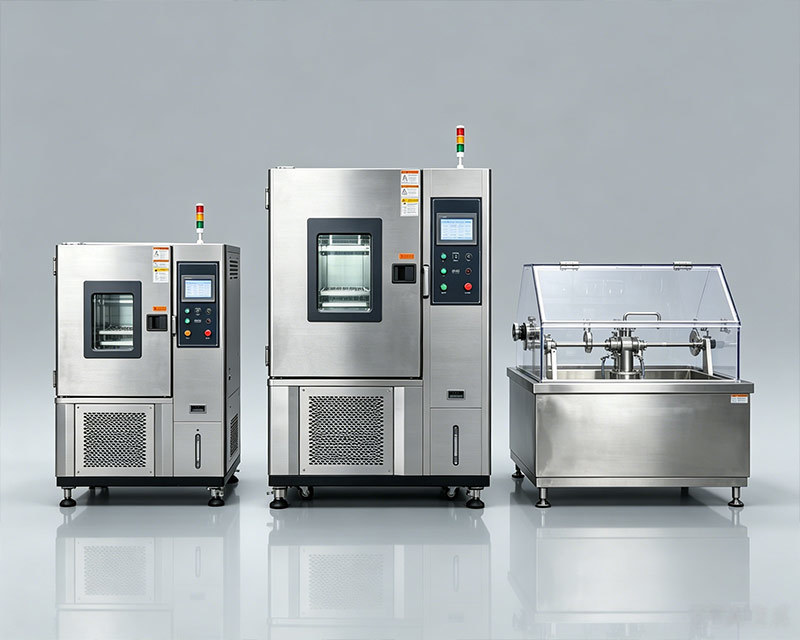
YH-40B Cement Mortar Standard Constant-Temperature and Constant-Humidity Curing Box
This product is designed in accordance with the requirements for curing cement specimens specified in the national standard G/BT 1767-1999, “Methods for Testing the Strength of Cement Mortar.” It features simple operation and is equipped with electric heating for temperature rise and refrigeration for cooling, enabling precise maintenance of specimen curing at 20±1℃ under any ambient and water‑temperature conditions. It is ideally suited for standard specimen curing in construction projects, various cement plants, and research institutions.
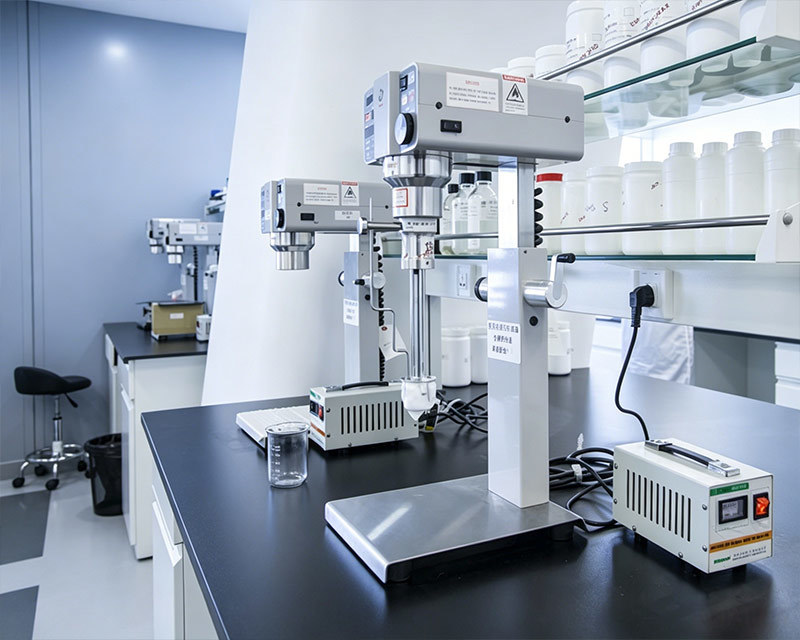
LBT-10L Grouting Agent High-Speed Mixer
The high-speed mixer for grouting admixtures is a newly designed and manufactured machine that meets the requirements of JT/T 946-2022 “Grouting Materials for Prestressed Tendons in Highway Engineering,” JTG 3420-2020 “Test Procedures for Cement and Cement Concrete in Highway Engineering,” JTG/TF 50-2011 “Technical Specifications for Construction of Highway Bridges and Culverts,” and TB/T 3192-2008 “Technical Specifications for Grouting of Post-Tensioned Prestressed Concrete Girder Ducts in Railway Engineering.” It is primarily used in the bridge, water conservancy, and construction industries, as well as in colleges and universities, research institutions, and quality‑inspection departments.
LBT-255 Self-Leveling Mortar Impact Resistance Tester
The impact resistance testing apparatus for self-leveling mortar is designed for conducting impact resistance tests on cement-based self-leveling mortars used in flooring, and it complies with the standard requirements specified in JC/T 985-2017 “Cement-Based Self-Leveling Mortar for Flooring.”
LBT-305A Cement Raw Material Grinding Ease Test Ball Mill
The LBT-305A cement raw material grindability test ball mill was developed in accordance with GB/T 26567, “Test Method for Cement Raw Material Grindability (Bond Method).”
LBT-402 Expanded Clay Aggregate Bulk Density Meter
The ceramic proppant bulk density meter is manufactured in accordance with the standards QSY 125, “Methods for Determining and Evaluating Proppant Properties in Hydraulic Fracturing,” and SY/T 5108, “Test Methods for Proppant Properties Used in Hydraulic Fracturing and Gravel Packing Operations.” The proppant is allowed to flow into a test bucket of known volume from a fixed height, enabling the measurement of its bulk density.
LBT-508 Mortar Finishing Sample Maker
This instrument is used for preparing tensile bond strength test specimens of finishing mortar. It can produce six square specimens in a single molding cycle, with adjustable thickness and user-friendly operation.
LBT-577 Wacker Strip (Measurement of Dimensional Change Rate of Leveling Mortar)
This apparatus is used to determine the rate of dimensional change of construction leveling mortar under constrained conditions.
LBT-0902 Abrasion Tester for Cement-Based Self-Leveling Mortar Used on Floors
The test procedure involves mounting the specimen on a rotating spindle, with a pair of abrasive wheels pressed against it under a specified load. As the specimen rotates, it drives the abrasive wheels, causing wear; the weight loss due to abrasion is determined as the difference between the specimen’s weight before and after the test.
LBT-0902 Floor Cement-Based Self-Leveling Mortar Abrasion Tester (New Standard)
The self-leveling mortar abrasion‑resistance testing machine is a specialized instrument designed to evaluate the wear resistance of cement‑based self‑leveling mortars, floor mortars, and leveling compounds. It is engineered in accordance with standards such as JC/T 985‑2017 “Cement‑Based Self‑Leveling Mortar for Flooring,” and accurately assesses material wear resistance by simulating real‑world wear conditions, thereby providing reliable data to support research and development of flooring materials, production quality control, and project acceptance.
LBT-0903 Cement Waterproof Coating Self-Sealing Tester
The cement-based waterproof coating self‑healing tester is a specialized testing instrument designed for evaluating the self‑healing properties of polymer‑cement waterproof coatings. Its primary function is to assess, under water exposure, the ability of the waterproof coating film to undergo physical and chemical reactions that enable cracks to self‑heal and seal. This equipment is widely used in building material testing laboratories, waterproof coating manufacturers, research institutions, and other settings, providing precise and reliable test data to support quality control and performance development of waterproof coatings. It fully complies with the requirements of GB/T 23445, “Polymer‑Cement Waterproof Coatings.”
LBT-937 Cement Slurry and Sand Mixer (Water Transport Standard)
The cement-sand mixer is used for preparing grouting cement (sand) slurry.
LBT-8538 Pressure-Selection Method Mortar Strength Tester
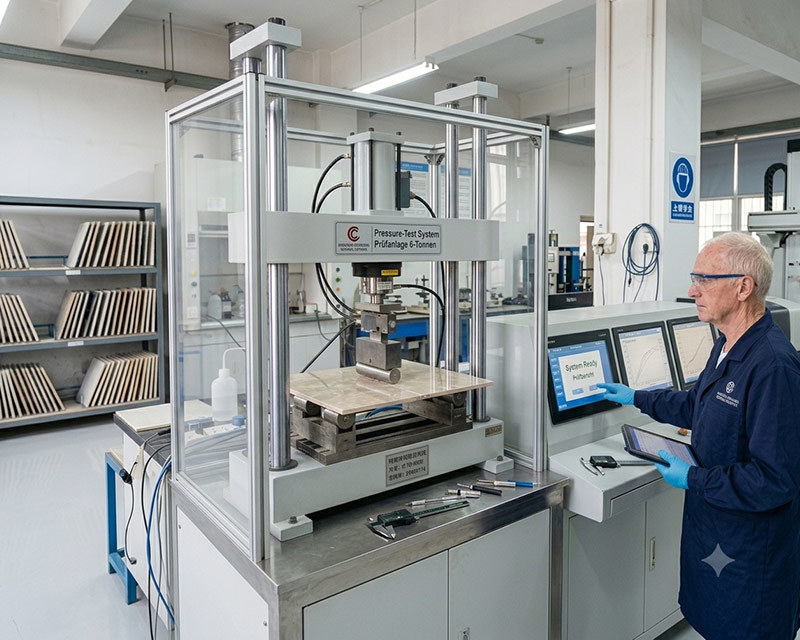
This instrument is used to determine the compressive strength of masonry mortar in masonry structures. It operates by selecting representative horizontal mortar joints from the masonry, extracting mortar specimen slices to fabricate test specimens, and then subjecting these specimens to a compression test using a compression testing machine. The measured compressive load is subsequently used to estimate the compressive strength of the masonry mortar.
LBT-GS4000 Digital Display High-Speed Mixer
The digital-display high-speed mixer is a specialized laboratory instrument used in petroleum exploration and the drilling industry.
LBT-NJ-1 Mortar Bond Strength Pull-Out Testing Machine
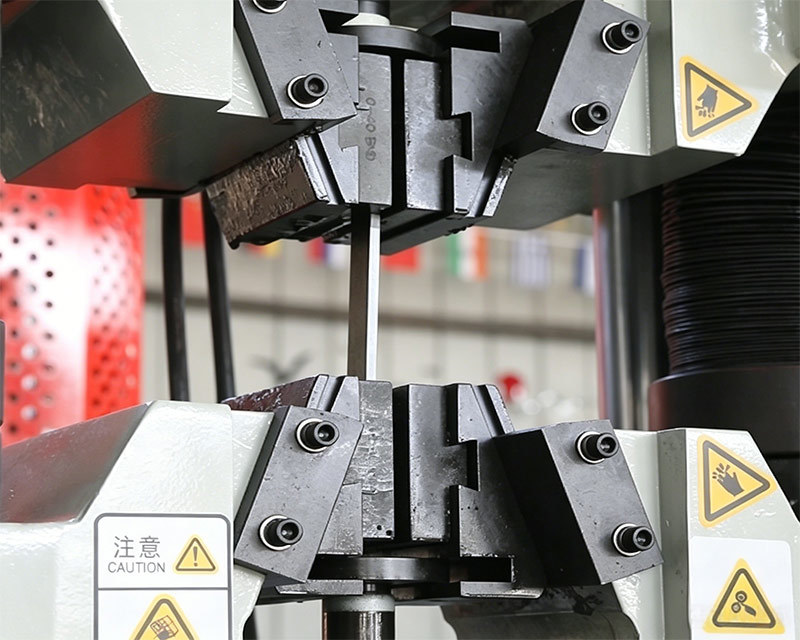
This instrument is a pull-out testing machine designed in accordance with the following standards: JGJ 110 “Standard for Testing Bond Strength of Facing Tiles in Building Engineering,” JGJ 126 “Code for Construction and Acceptance of Exterior Wall Facing Tile Works,” JGJ 144 “Technical Code for External Thermal Insulation Systems of Exterior Walls,” JG 158 “External Thermal Insulation System for Exterior Walls Using Rubber Powder–Polystyrene Granules,” and JG 149 “External Thermal Insulation System for Exterior Walls Using Expanded Polystyrene Boards with Thin Plastering.”
LBT-SS25 Cement-Soil Permeability Testing Apparatus
The cement-soil permeability testing apparatus is a newly designed and developed device that complies with the test requirements specified in JGJT 233-2011, “Code for Mix Proportion Design of Cement-Soil.” It features a compact structure, convenient operation, automatic pressurization, and stable constant-pressure maintenance. This apparatus is suitable for determining the permeability coefficient of cement-soil.
LD-50 Type Le Chatelier Apparatus
The LD‑50 cement Le Chatelier apparatus is primarily used to verify whether the quality of the Le Chatelier mold meets the required specifications. It is also employed to assess cement stability by measuring the increase in distance between the two needles of the Le Chatelier mold after the cement paste, prepared to standard consistency, has been filled into the mold and subjected to curing and boiling.
LD-100F Sand and Gravel Moisture Meter
The LD-100F sand and gravel moisture meter is a high-performance, digital moisture measurement instrument.
LS-620 Concrete Air Content (New Standard)
Applicable concrete strength range: C15–C65; Applicable standard: GB/T 50080.
The cement paste mixer is developed and designed in accordance with national standards such as JC/T 729, “Cement Paste Mixer.” It mixes cement and water according to the prescribed procedures to produce a uniform test paste, which is used for determining the standard water requirement of cement, measuring setting time, and preparing soundness test specimens. It is a commonly used piece of equipment in cement plants, construction companies, relevant colleges and universities, and research laboratories.
The instrument mixes cement and water according to standard procedures to produce a uniform test slurry, enabling the measurement of cement’s standard consistency, setting time, and the preparation of stable test specimens.
NLD-3 Cement Mortar Flowability
Designed and manufactured in accordance with the requirements of the new standard GB/T 2419, “Method for Determining the Flowability of Cement Paste,” this instrument is primarily used to measure the flowability of cement paste, thereby determining the water requirement for achieving the standard consistency of cement paste.
NLD-5 New Standard Cement Mortar Flowability Tester (Jumping Table)
Designed and manufactured with upgrades based on the requirements of GB/T 2419, “Apparatus for Determining the Flowability of Cement Paste,” this device features a powder-coated sheet-metal enclosure, a sealed flip‑top cover, a 4.3‑inch high‑definition touch screen control interface, a stepper motor paired with gear drive, and 5‑cm‑thick sound‑insulating cotton lining inside the housing.
The SC145 mortar consistency meter is used to determine the workability of mortar (commonly referred to as consistency).
SHR-650IV Automatic Constant-Temperature Cement Hydration Heat Meter (Dissolution Heat Method)
Suitable for determining the heat of hydration at any age for portland cement, low-heat slag portland cement, ordinary portland cement, slag portland cement, pozzolanic portland cement, fly ash portland cement, and other types.
SJY800B Digital Display Penetration-type Mortar Strength Tester
An instrument used to assess the strength of masonry mortar. The penetration method for determining the compressive strength of mortar is highly regarded by users in the field of mortar‑strength testing, owing to its simplicity of operation and the accuracy of its results.
SL352 Mortar Dry-Shrinkage Tamping Rod
The tamping rod is used for compacting specimens in the dry‑shrinkage (wet‑swelling) test of cement mortar and complies with the standard requirements specified in Clause 8.9 of SL 352, “Test Procedures for Hydraulic Concrete.”
SME-LSP1000 Li’s Bottle Cement Density Meter
SME-LSP1000 Lee’s Bottle Cement Density Meter – Product Introduction: This instrument is suitable for determining the density of cement and can also be used to measure the density of other powdered materials when this method is specified. It features a high‑precision data acquisition circuit and employs a fuzzy PID control algorithm to achieve highly accurate, stable temperature regulation in the water bath. A proprietary positioning system enables convenient and secure fixation of the Lee’s bottle, allowing for online readings within the constant‑temperature bath and eliminating the common drawback of traditional methods—removing the bottle from the bath and introducing an uncontrollable temperature differential during measurement. Technical Parameters: Standards: GB/T 208-2014 “Method for Determination of Cement Density” Display Range: −10.00 to 40.00°C; Accuracy: ≤±0.5% F.S. Temperature Control Precision: ±0.1°C Temperature Control Range: 1. Minimum Constant Temperature: Approximately 15°C below ambient temperature 2. Maximum Constant Temperature: 40°C Cooling Rate: In room‑temperature conditions, approximately 10°C drop in about 60 minutes Circulation Flow Rate: ≥1.2 L/min Physical Dimensions: Host Unit: 350 mm × 290 mm × 125 mm Water Bath: 260 mm × 140 mm × 275 mm Power Supply: 220 VAC ±10%, 50 Hz ±1 Hz; Total Power Consumption: ≤400 W; Refrigeration Power: 100 W; Heating Power: 270 W Operating Environment: Standard laboratory conditions—temperature ≤28°C, relative humidity ≤85%, and non‑corrosive gas atmosphere.
SME-LSP2000 Li’s Bottle Cement Density Meter (Touchscreen)
This instrument is suitable for determining the density of cement and is also applicable to the determination of the density of other powdered materials for which this method is specified.
SP-175 Vertical Mortar Shrinkage Tester
The vertical mortar shrinkage–expansion tester is designed by our company in accordance with the industry standard JGJ 70, “Test Methods for Basic Properties of Mortar,” and serves as an instrument for laboratory evaluation of the flow properties of mortar.
SS-15 Mortar Permeability Tester
The properties of mortar are essentially the same as those of concrete. For certain special‑purpose mortars, such as waterproofing mortar, additional requirements are imposed regarding impermeability—namely, the mortar must be capable of resisting the penetration of pressurized water.
Whether you want to customize product features
I still need some examples to refer to ——
Please let us know what you're looking for, and we'll send you relevant materials to help you move your project forward quickly!
Global Partners
Customer Satisfaction
Committed to becoming a leader in China's testing equipment manufacturing industry
Share To


Contact Us
Mobile:+86-15102211717
Whatsapp:+86-15102211717
E-mail:lbt@lbt.ltd
Address:Tianjin Jinghai Economic Development Zone