

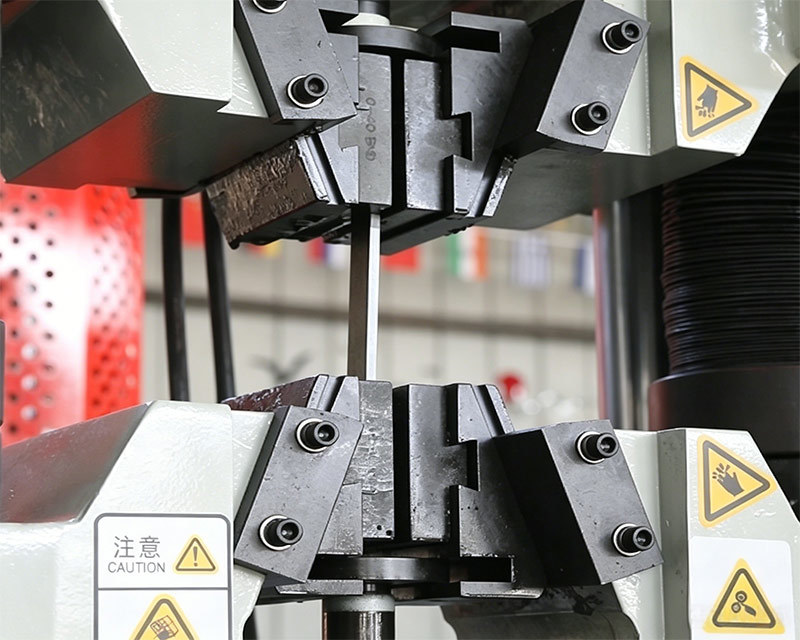
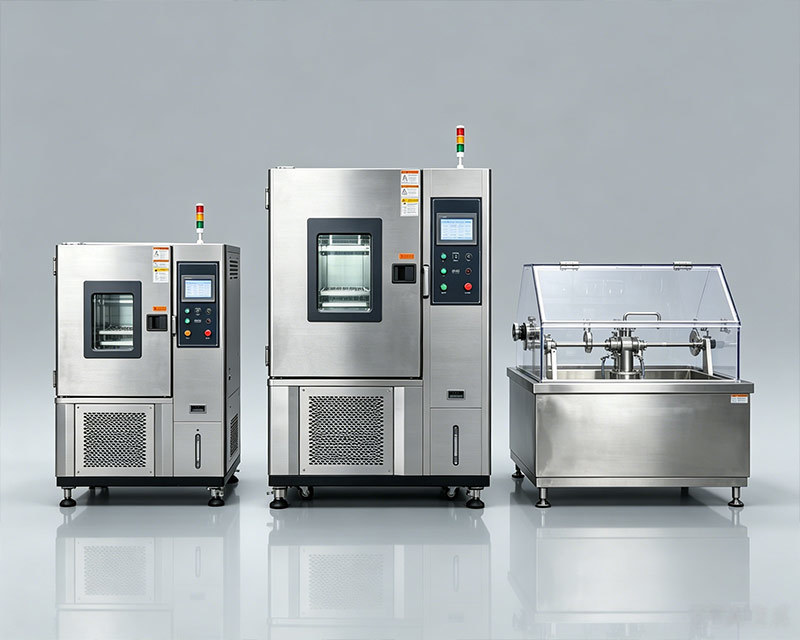

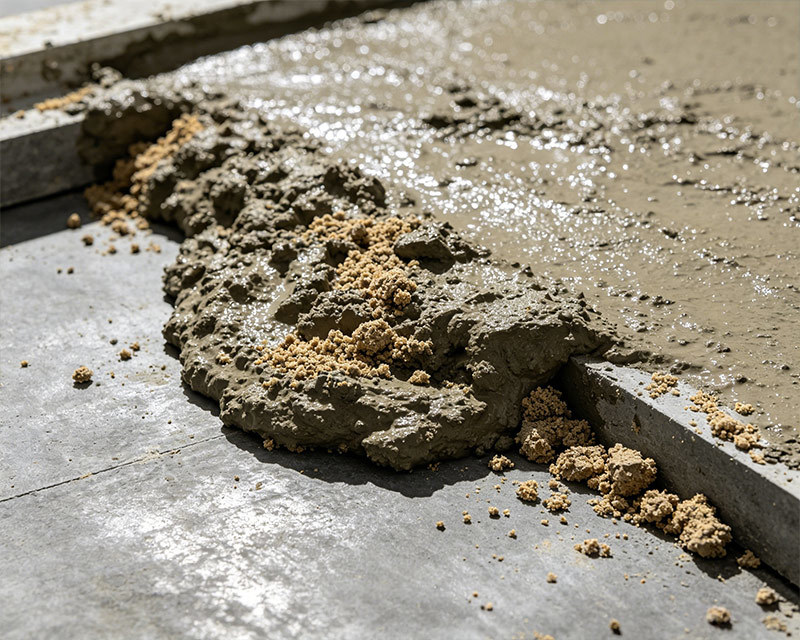
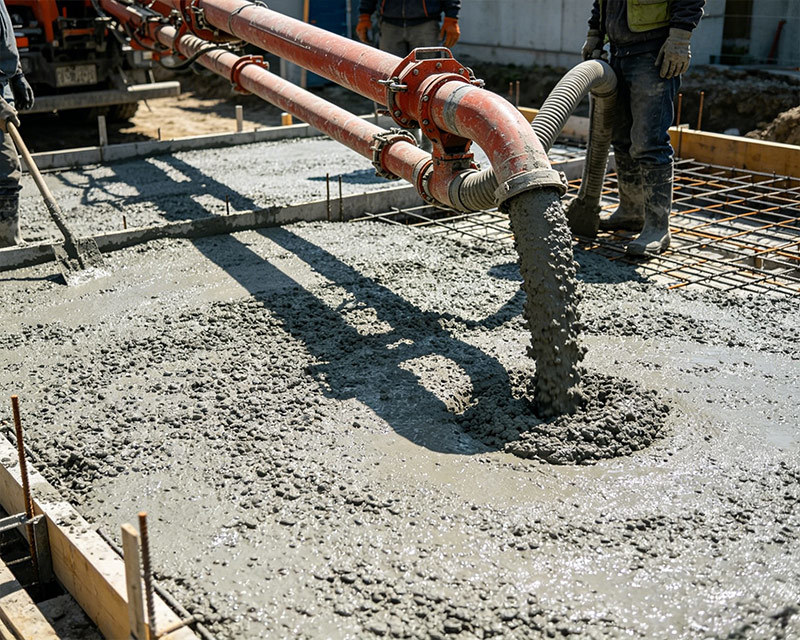

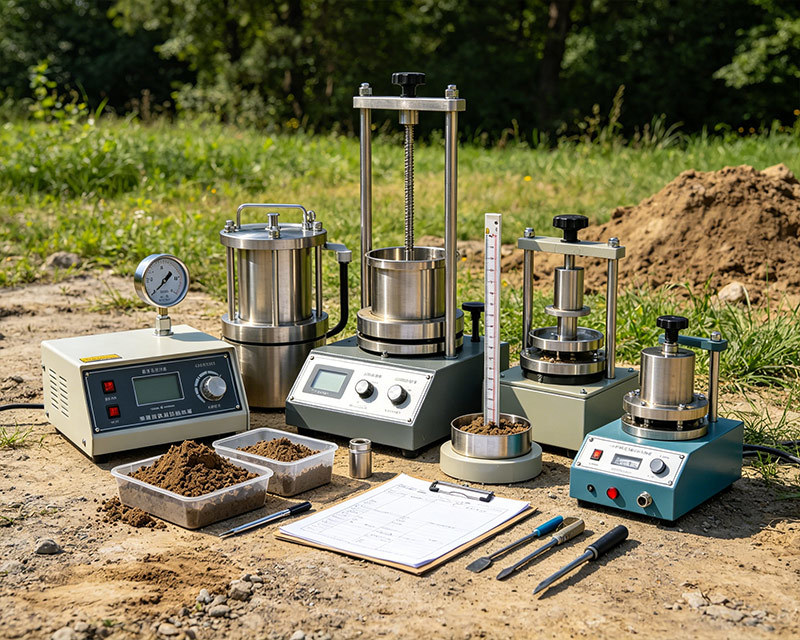


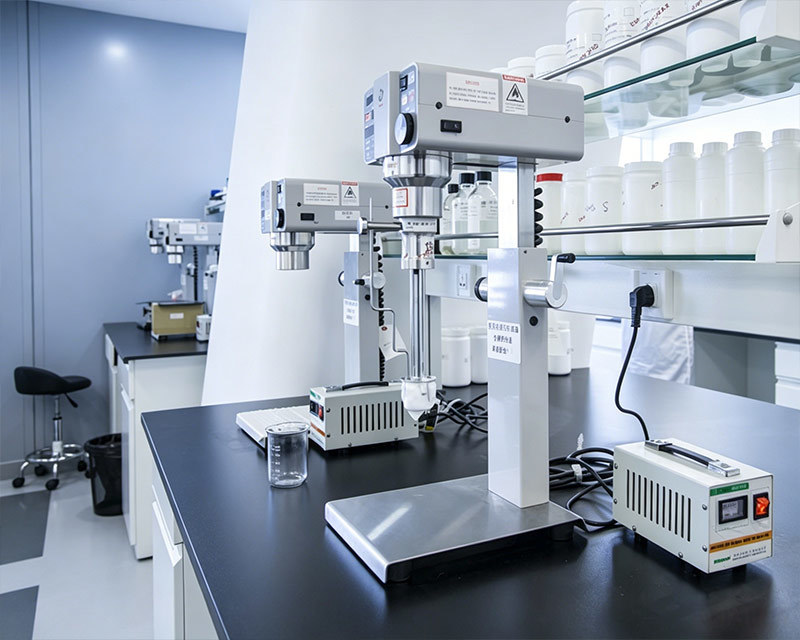
Cement Mortar Testing Equipment

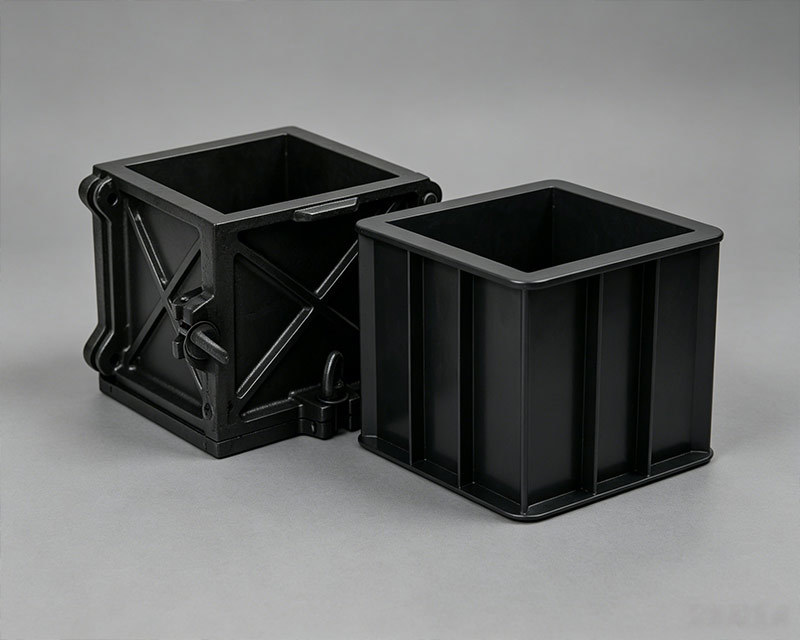
Mortar setting strength using a molding frame
Auxiliary fixture for mortar bond strength testing
For mortar splitting resistance testing
Standard facing brick bond strength pull-out block
The auxiliary devices used for mortar bond strength testing shall comply with the following standards: JGJ 110 “Standard for Testing Bond Strength of Facing Tiles in Building Engineering,” JGJ 126 “Code for Construction and Acceptance of Exterior Wall Facing Tile Works,” JGJ 144 “Technical Code for External Thermal Insulation Systems of Exterior Walls,” JG 158 “External Thermal Insulation System for Exterior Walls Using Polymer‑Modified Mortar and Expanded Polystyrene Granules,” and JG 149 “External Thermal Insulation System for Exterior Walls Using Expanded Polystyrene Boards with Thin Render.”
Digital Blaine Surface Area Analyzer – Accessories
Digital Display Cement Blaine Surface Area Tester Accessories
It is used to determine the water requirement for normal consistency and the setting time of cement paste.
Cement-based self-leveling test mold (φ30×50)
Cement-based self-leveling test mold (φ30×50)
This instrument is used to measure the degree of fullness of grouting material (grouting admixture) in pipelines.
Cement Slurry Consistency Funnel (Duct Grouting Consistency Meter)
For cement slurries with a flow time of less than 35 seconds.
Cement mortar water retention test mold
The fresh mortar, with a specified range of flowability, is subjected to water absorption treatment according to the prescribed method.
10×350 mm mortar tamping rod
Tensile bond strength of cement mortar block test specimens to the substrate
Tensile bond strength of cement mortar block test specimens to the substrate
The cement curing box is versatile, lightweight, and widely applicable, making it an ideal testing tool for use in colleges and universities, enterprises, the construction industry, and the road‑and‑bridge sector.
Specimen preparation is carried out using a small jack‑type press with a maximum load capacity of 15 kN or more. 2 Flexural testing machine: Specimens are fractured using a small electric flexural testing machine, with a loading rate of 0.8 N/s. 3 Molds: Specimens shall measure 10 × 10 × 60 mm, and the molds must be made of stainless steel. 4 Spherical mixing bowl: Diameter 200 mm, height 70 mm, wall thickness 1.2 mm. 5 Standard sand: Its quality shall comply with the requirements specified in “Standard Sand for Cement Strength Tests” (GB 178).
The new standard is superior to the Changyi single‑ and triple‑channel BC‑160B model.
The new standard, compared with the Changyi single‑ and triple‑unit BC‑160B model, represents a next‑generation cement length‑measurement instrument successfully developed by our factory in accordance with Appendix A, Test Method B of the national standard GB/T 23439‑2017 “Concrete Expansive Agents,” as well as based on customer feedback and guidance. After numerous revisions and extensive testing, it now complies with and meets the requirements of the standard.
New‑standard cement slurry funnel (double‑needle)
For cement slurries with a flow time of less than 35 seconds.
Cement Paste Bleeding and Expansion Tester This instrument is used to determine the bleeding rate and expansion rate of cement paste. It is designed in accordance with JTG/TF50-2011, “Technical Specifications for Construction of Highway Bridges and Culverts.”
Vertical Expansion Rate Tester for Grouting Agents
Expansion Rate Test for Grouting Agents
Self-leveling mortar flowability test plate (400×400 mm)
Self-Leveling Mortar Flow Test Plate (400×400 mm)
Self-leveling mortar flowability test mold (80×80 mm)
Self-leveling mortar flowability test mold (80×80 mm)
Whether you want to customize product features
I still need some examples to refer to ——
Please let us know what you're looking for, and we'll send you relevant materials to help you move your project forward quickly!
Global Partners
Customer Satisfaction
Committed to becoming a leader in China's testing equipment manufacturing industry
Share To


Contact Us
Mobile:+86-15102211717
Whatsapp:+86-15102211717
E-mail:lbt@lbt.ltd
Address:Tianjin Jinghai Economic Development Zone