





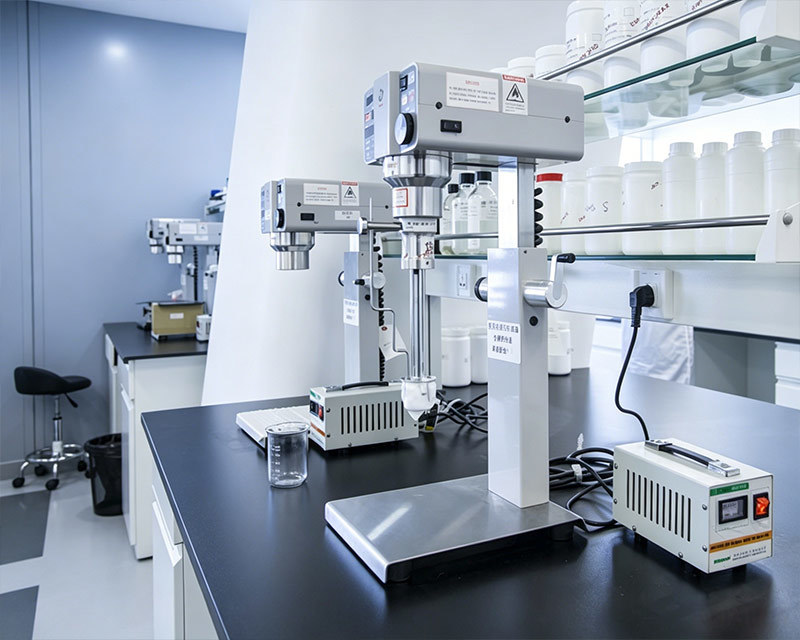
Building Energy-Efficient Material Testing Equipment

SYA-79 Building Heating Radiator Thermal Performance Testing Equipment
A self-developed device for measuring the heat dissipation rate per unit time and the metal thermal strength of heating radiators, which not only fully complies with national standard testing methods but also boasts high measurement accuracy, rapid measurement speed, and fully automated operation.
SYA-80 Building Fan Coil Unit Testing Equipment System
This laboratory is dedicated to the thermal‑performance testing of fan coil units and can accurately measure their cooling capacity, heating capacity, and airflow rates. It also supports other standard‑condition tests and extended‑range experiments, providing customers with a comprehensive testing suite that meets the requirements for product sampling inspections as well as product development and system‑matching applications. The facility comprises a single test chamber designed to satisfy the environmental and climatic conditions required for fan coil unit testing, and it is equipped with an airflow measurement system.
SYA-81 Household Flat-Plate All-Glass Vacuum-Tube Solar Freeze-Resistance Test Apparatus
With the upgrading of the solar thermal industry and strong national support for the development of solar‑thermal application products, R&D and quality requirements are continually rising. It is no longer sufficient to merely impose stringent quality controls on the thermal and optical performance of solar water heaters and collectors; rigorous testing must also be conducted to assess their outdoor durability, including freeze‑thaw resistance. In response to relevant testing standards, a dedicated freezer‑box test system has been developed. This system is primarily used to simulate the harsh natural conditions encountered in outdoor applications, enabling evaluation of whether solar water heaters or collectors exhibit leakage, damage, deformation, distortion, cracking, or water seepage.
SYA-82 Instrument for Measuring the Equivalent Thermal Conductivity of Building Wall Materials
This device can assess the thermal conductivity of building wall materials and is suitable for non‑homogeneous wall materials. Test specimens include sintered porous bricks, hollow bricks, insulating masonry units, and similar products.
SYA-83 Mobile Walk-In Curing Chamber
This device employs microcomputer‑based digital processing technology, offering high reliability and intelligent functionality. Its measurement principle relies on a digital temperature‑and‑humidity sensor to convert the physical quantity being measured into a corresponding digital signal, which is then transmitted to the instrument’s microprocessor. After computational processing, the results are displayed and used for control purposes. The instrument’s control subsystem comprises refrigeration, heating, dehumidification, humidification, and an air‑circulation fan, among other components.
SYA-85 Building Ventilation and Exhaust Duct Testing Instrument
This instrument uses a smoke generator in place of smoke canisters, ensuring environmental friendliness and zero pollution. It can measure duct pressure and airflow, and allows adjustment of the test system’s exhaust volume. Featuring a compact design, lightweight construction, and easy installation, it delivers high testing efficiency and clear, reliable results, primarily assessing the smoke‑sealing and backflow‑prevention performance of building ventilation ducts.
SYA-86 Insulated Glass Steady-State U-value Heat Transfer Coefficient Tester
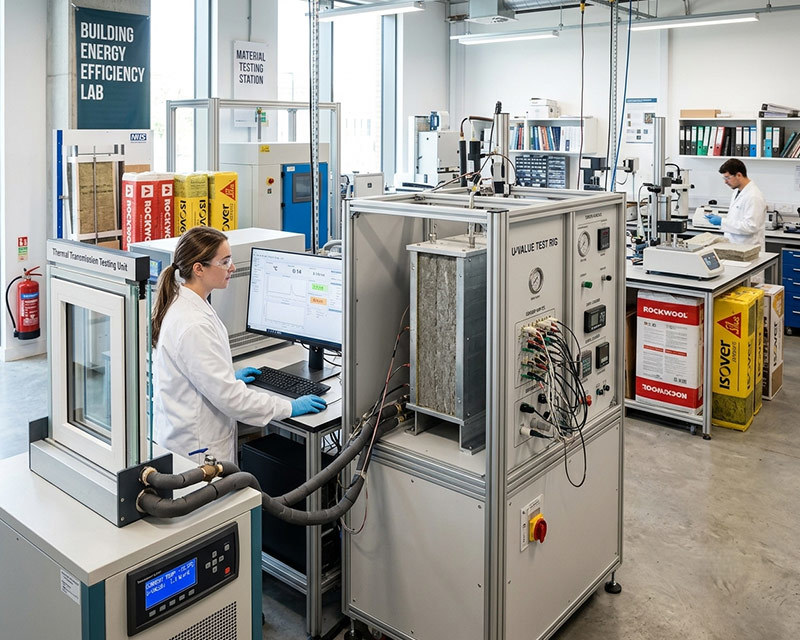
The U‑value (thermal transmittance) of insulated glass units is primarily determined using the guarded hot plate method. The U‑value objectively indicates the energy‑saving performance of insulated glass; installing windows and doors equipped with insulated glass having a lower U‑value can significantly enhance the overall energy efficiency of a building.
This method is applicable for determining the gross calorific value of materials and products in a constant‑volume oxygen bomb calorimeter, and is used for measuring the heat of combustion of solid materials.
SYA-88A Building Finish Fire-Retardant Coating Combustion Apparatus (Small Chamber Method)
This instrument is suitable for quantitatively assessing the flame-retardant performance of fire‑protective coatings applied to substrate surfaces under laboratory conditions, evaluating their quality based on mass loss during combustion and char volume.
Applicable to the combustion performance testing of intumescent decorative fire‑retardant coatings.
SYA-89 Plastic Horizontal and Vertical Burning Tester
The horizontal‑vertical flame‑spread tester is primarily used to classify the flammability of materials in compliance with V‑0, V‑1, V‑2, HB, and 5V ratings. It is suitable for research, production, and quality‑control departments of electrical and electronic products—including lighting equipment, low‑voltage electrical appliances, household appliances, machine‑tool electrical equipment, motors, power tools, electronic instruments, electrical measuring instruments, and electrical connectors and accessories—as well as for industries dealing with insulating materials, engineering plastics, or other solid combustible materials.
SYA-90 Building Material Flame-Retardancy Testing Machine
This applies to determining whether a building material is combustible; any material that passes the combustion‑oven test and also meets the requirements of the building‑material flammability test may be classified as a non‑combustible building material.
SYA-91 Fire-Resistant Building Component Water-Spray Impact Resistance Testing Machine
The water‑jet impact resistance testing machine is primarily used to simulate water‑spray conditions and evaluate the waterproof performance of product enclosures, commonly employed in IPX56‑level testing.
Applicable to the fire‑resistance performance of various load‑bearing structural partition components. For example, wall‑fireplaces: suitable for fire‑resistance testing of all types of walls, doors, and windows.
SYA-93 Horizontal Burning Test Furnace for Fire-Resistant Coatings on Building Components
The fire‑resistance performance of various steel‑structure fire‑protective coatings intended for indoor and outdoor applications on buildings and structures is determined under standard fire‑exposure conditions.
SYA-95 Laminated Glass Mercury Vapor Arc Lamp Radiation‑Resistant Aging Test Chamber (New Standard)
It is suitable for testing the UV‑resistance of laminated glass, including architectural laminated glass and fire‑resistant glass, and is widely used by advanced‑processing glass manufacturers and quality‑supervision and inspection agencies at all levels. Cabinet structure: The cabinet is precision‑machined on a CNC machine, featuring an elegant and streamlined design, and incorporates a handle with no back‑force for easy operation.
SYA-96 Glass Drop Ball Impact Testing Machine for Construction Applications
A drop-ball impact testing machine is used to evaluate the impact resistance of materials such as plastics, ceramics, acrylics, glass fibers, and coatings.
A rubber cutter is a tool used for preparing specimens prior to tensile testing of rubber or plastic materials. Based on the shape of the cut, it can be classified into dumbbell‑shaped, tear‑shaped, star‑shaped, and other types. According to the dimensions specified in national standards, it is available in sizes such as 6×115 mm, 4×75 mm, 10×120 mm, and 10×150 mm (specific specifications are listed in the table below).
Whether you want to customize product features
I still need some examples to refer to ——
Please let us know what you're looking for, and we'll send you relevant materials to help you move your project forward quickly!
Global Partners
Customer Satisfaction
Committed to becoming a leader in China's testing equipment manufacturing industry
Share To


Contact Us
Mobile:+86-15102211717
Whatsapp:+86-15102211717
E-mail:lbt@lbt.ltd
Address:Tianjin Jinghai Economic Development Zone