






Geosynthetic Testing Equipment

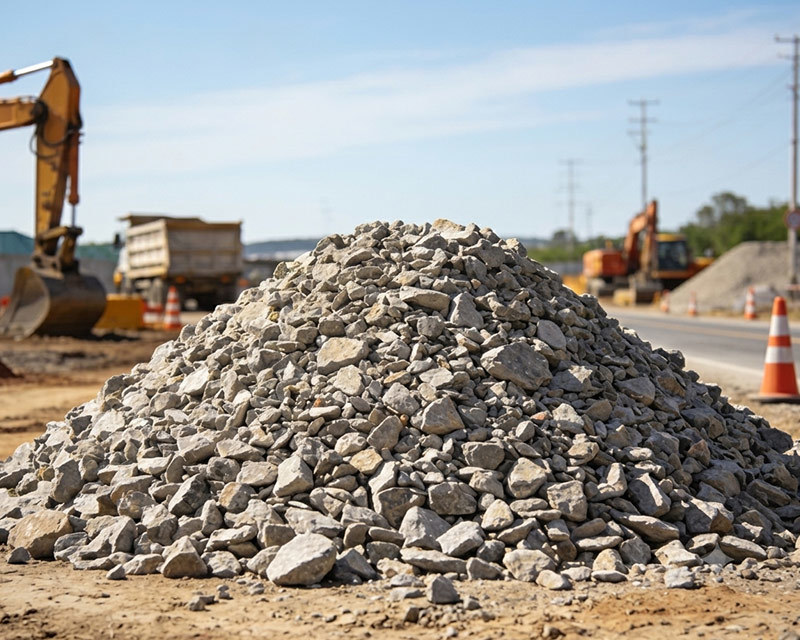
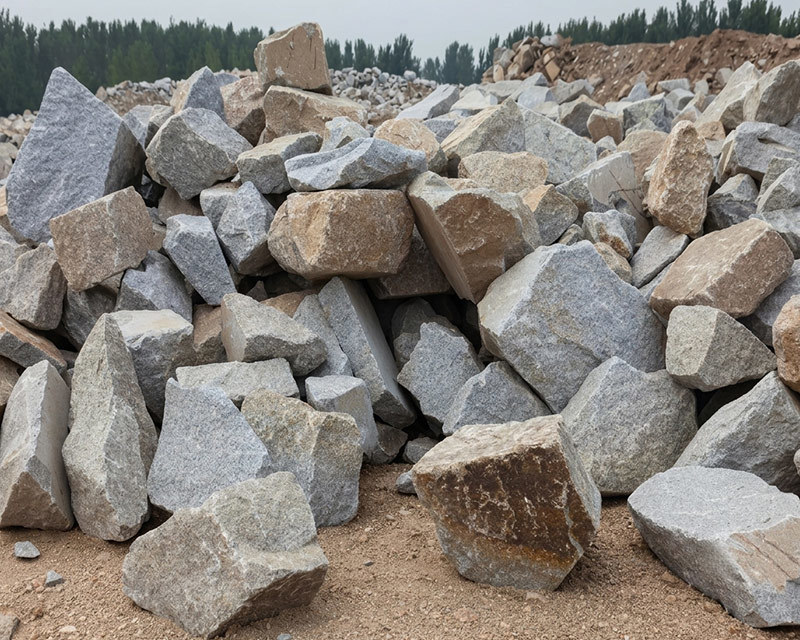
Standard granular materials used for sieve analysis to determine the equivalent aperture and aperture distribution curve of geosynthetic materials.
LBT-5S Geosynthetic Fabric Programmable Vacuum Degassing Constant-Temperature Water Processor
This unit is a dedicated system for treating the water source in hydraulic testing of geosynthetic materials, or it can be connected via hoses to other geosynthetic‑related equipment. It effectively removes dissolved gases, including oxygen and carbon dioxide, from the water, thereby providing degassed water essential for testing.
LBT-3700 Geocell Environmental Stress Cracking Tester (with Glass Window)
It is used to determine the stress‑cracking resistance of materials such as geocells, resins, and plastics. The apparatus consists of a main unit and a transparent thermostatic bath. The main unit includes attachments such as notching tools, bending fixtures, transfer‑type specimen cutters, and bending holders. The transparent thermostatic bath comprises a bath tank and an electrical control section, and can also be employed for viscosity measurements and other tests requiring constant‑temperature control.
LBT-3700A Geocell Environmental Stress Cracking Tester (High Temperature: 100°C)
Product Introduction: Plastic Polyethylene Environmental Stress Cracking Tester and Geocell Environmental Stress Cracking Time Determination Instrument. These instruments are used to evaluate the stress‑cracking resistance of geocell materials, resins, plastics, and similar substances. They consist of a main unit and a transparent constant‑temperature bath. The main unit includes components such as notching tools, bending fixtures, transfer‑piece sample cutters, and bending retainers. The transparent constant‑temperature bath comprises a bath tank and an electrical control system, and it can also be employed for viscosity measurements and other tests requiring precise temperature control.
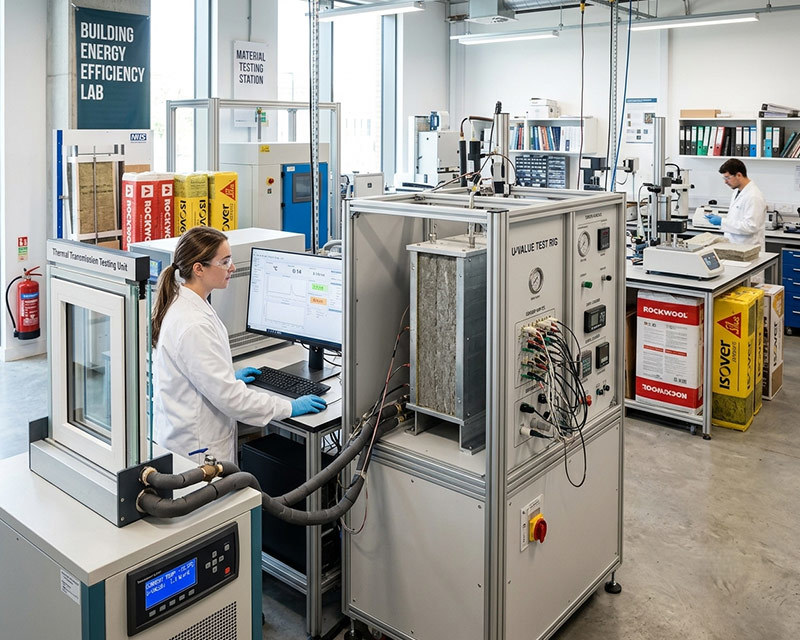
LBT-1115A Thermal Conductivity Test for Rigid Cellular Plastics (Guarded Hot Plate Method)
A specialized device used to measure the thermal conductivity of insulation materials.
LBT-1117 Water Absorption Test for Rigid Foam Plastics
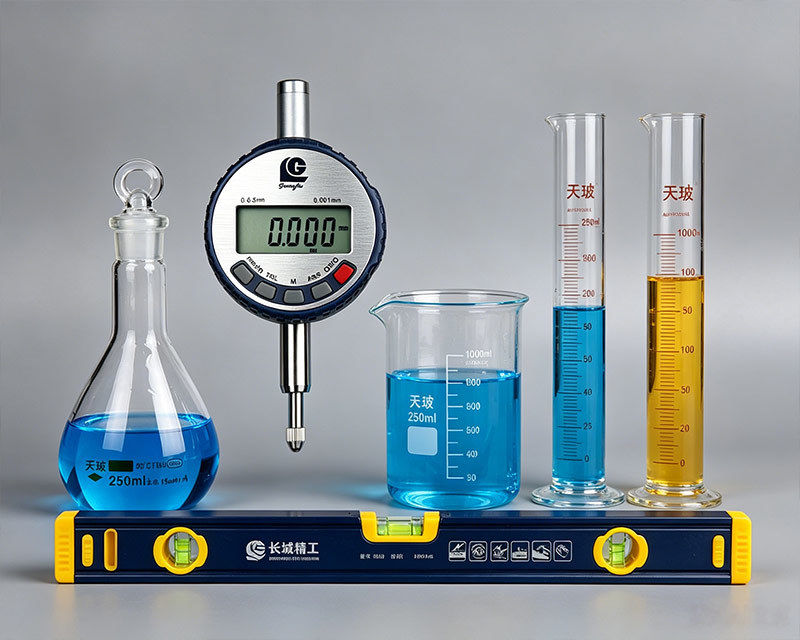
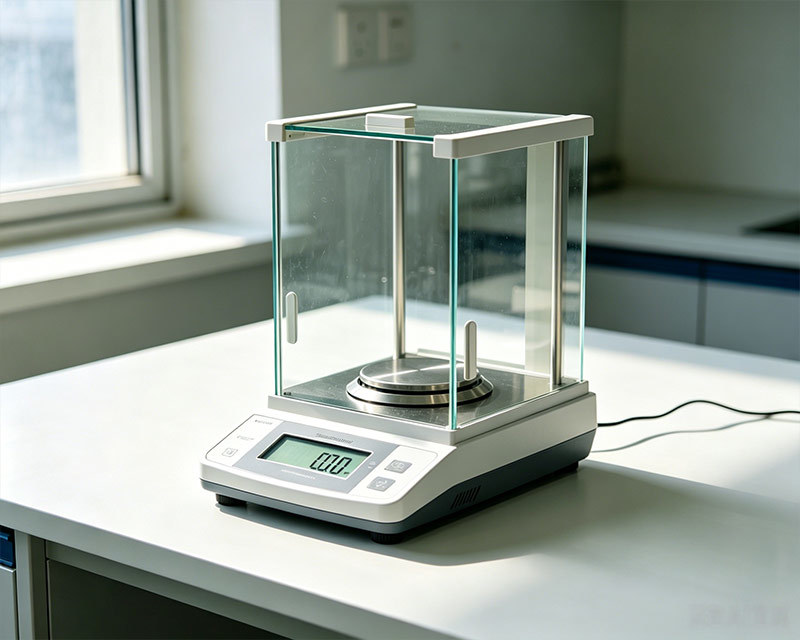
The rigid foam plastic water absorption testing system comprises six major components: rigid foam plastic water absorption test calculation software, a specimen-loading mesh cage, a cylindrical container for test samples, a rigid foam plastic mass measurement instrument, a digital display sample slicer, and glass slides.
LBT-1162 Geosynthetic Material Acid and Alkali Resistance Test Chamber (New Standard)
This instrument is used for testing the resistance of geosynthetic materials to acidic and alkaline solutions. Temperature control is achieved via a digital display and a digitally controlled PID automatic regulator, allowing the operating temperature to be set anywhere between room temperature and 80°C, with automatic maintenance of a constant temperature. The chamber features an inner liner made of 304 stainless steel, offering sensitive temperature regulation, uniform temperature distribution, and stable performance.
This product uses a xenon lamp as its light source and serves as an accelerated weathering test apparatus that simulates and intensifies atmospheric aging, enabling rapid acquisition of results that closely mimic outdoor weathering conditions for evaluating the weather resistance of materials.
Product Description: This instrument is used to determine the highest temperature at which a material specimen, subjected to impact under specified conditions, fails—known as the brittle‑transition temperature. It enables comparative evaluation of the low‑temperature performance of plastics (per GB/T 5470), JTG 3460‑2026 “Test Procedures for Geosynthetics in Highway Engineering” (Type B specimens), and other elastomeric materials.
LBT-1168 Geosynthetic Vicat Softening Temperature Tester (New Standard)
Product Description: This instrument is designed and manufactured in accordance with international standards and GB standards for testing non-metallic materials. It is primarily used to determine the heat distortion temperature and the Vicat softening point of non-metallic materials, including geosynthetic materials, plastics, hard rubber, nylon, electrical insulating materials, long-fiber-reinforced composites, and high-strength thermosetting laminates.
LBT-0901 Geotextile Membrane Air Permeability Tester (Differential Pressure Method)
A professional gas permeability tester designed for thin-film samples, suitable for determining the gas transmission rate and gas permeance of plastic films, composite films, high-barrier materials, sheets, and metal foils across a range of temperatures.
LBT-1702 Sodium-Based Bentonite Waterproofing Blanket Filtration Loss High-Speed Mixer
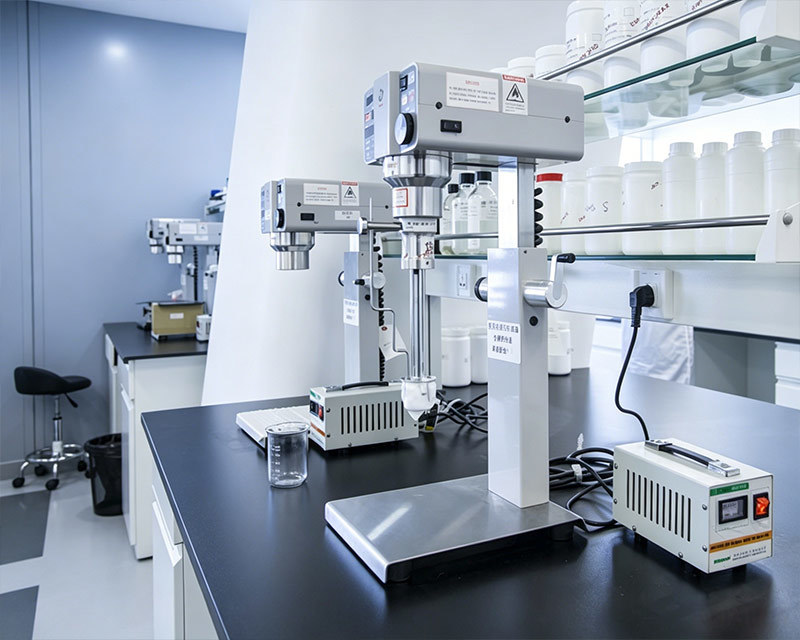
The LBT-1702 high-speed mixer is a specialized testing device for sodium‑based bentonite waterproofing blankets, featuring belt drive and designed for use in the method for determining the suspension characteristics of such blankets.
Determination of the longitudinal hydraulic conductivity and the 100-hour retention rate of drainage mats, as well as the in‑plane water‑flow capacity of geosynthetic materials, geotextiles, and geotextile fabrics. Product description: Suitable for measuring the permeate‑drainage performance of landfill leachate, groundwater, and surface‑infiltration water under various normal stresses and standard hydraulic gradients. It is also applicable to determining the longitudinal hydraulic conductivity retention of geodrainage nets and mats, and to testing the horizontal hydraulic conductivity and permeability of geotextiles and related products under a specified normal stress, using a constant head flow method.
LBT-1705 Automated Intelligent Geosynthetic Sample Preparation Machine
Specifically developed for geotechnical material testing laboratories, this equipment replaces traditional manual die‑cutting and punching. Utilizing a fully automated CNC cutting process, it can produce standard test specimens of various geosynthetic materials in accordance with national and industry standards, and is widely employed by third‑party testing agencies, engineering quality inspection centers, and quality‑control departments of geotechnical material manufacturers.
The U.S. standard vertical permeameter is used to determine the coefficient of permeability (permeability) of geotextiles in their uncompressed state under standardized test conditions, based on the rate of water flow. This instrument features microcomputer‑based program control, sensor‑based measurement, digitally set head differences, automatic positioning, and automatic conversion, display, storage, statistical analysis, editing, and printing of the permeability coefficient.
LBT-1708 Geotextile Effective Aperture Tester (Compliant with ASTM D4751)
The LBT-1708 Geotextile Effective Aperture Tester is used to determine the effective aperture of geotextiles and composite geotextiles by the dry-sieving method.
This water vapor transmission cup is used to determine the water vapor transmission properties of plastic films and sheets.
LBT-1710 Alkali-Resistant Glass Fiber Mesh Rapid Test Heating Device Test Chamber (New Standard)
Applicable to GB/T 20102-2026 “Test Method for Alkali Resistance of Glass Fiber Mesh—Sodium Hydroxide Solution Immersion Method,” it enables rapid determination of the alkali resistance of glass fiber mesh.
QUV-type UV Weathering Test Chamber (UV)
This test apparatus, in accordance with the requirements of JTG 3460-2026 “Test Procedures for Geosynthetics in Highway Engineering,” simulates degradation caused by solar ultraviolet radiation. It conducts weathering tests by exposing the material under test to controlled high‑temperature illumination.
LBT3600 Carbon Black Dispersion Analyzer
Carbon black is an important additive in polyolefin plastic products. Adding a certain amount of carbon black to the formulation provides UV shielding and helps prevent aging. However, the efficiency of carbon black in absorbing ultraviolet radiation largely depends on its degree of dispersion; poor dispersion can compromise both the material’s aging resistance and its mechanical properties. The LBT‑1166 geosynthetic carbon black dispersion tester can measure the size, morphology, and distribution of carbon black agglomerates and particles, as well as the number of particles and agglomerates and the corresponding carbon black dispersion grade.
It is used to determine the water permeability of various types of geotextiles, and its performance meets the instrument requirements specified in GB/T 15789, JTG 3460-2026 “Test Procedures for Geosynthetics in Highway Engineering,” and DL/T 5886 “Test Procedures for Geosynthetics in Water Conservancy and Hydropower Projects.”
Its performance complies with JTG 3460-2026 “Test Specifications for Geosynthetics in Highway Engineering” and SL 235 “Test Specifications for Geosynthetics,” and it is used to cut circular samples from various woolen, blended, synthetic, knitted, and other fabrics.
TSY-3A Geotextile Dynamic Puncture Tester
It is used to determine the impact and puncture resistance of geosynthetic materials and is applicable to geotextiles, geomembranes, geocomposites, and other related products.
TSY-3 Geotextile Effective Aperture Tester (Dry Sieving Method)
This method, based on the dry-sieving principle, is applicable for determining the characteristic aperture of single-layer geotextiles and related products made from geotextiles and composite geotextiles. The instrument is suitable for all types of geotextile products.
Used for cutting circular samples from various fabrics, including woolen, blended, synthetic, and knitted textiles.
TSY-6 Synthetic Material Hydrostatic Pressure Tester
It is suitable for determining the hydrostatic pressure resistance of geomembranes and composite geomembranes, offering stable performance and ease of use.
TSY-7 Geosynthetic Permeability Tester
It is suitable for measuring the permeability coefficients of various geotechnical materials, offering stable performance and convenient, practical operation.
TSY-8 Geosynthetic Material Impermeability and Hydrostatic Pressure Resistance Tester
It is suitable for measuring the impermeability of various geotechnical materials, offering stable performance and convenient, practical operation.
TSY-9 Geosynthetic Vertical Permeability Tester
Applicable to all types of geotextiles and composite geotextiles with permeability.
TSY-10 Geotextile Abrasion Tester
According to GB/T 17636, “Geotextiles and Related Products—Determination of Abrasion Resistance—Abrasive Cloth/Slider Method,” this standard is used to determine the abrasion resistance of woven geotextiles, nonwoven geotextiles, and their related products.
Whether you want to customize product features
I still need some examples to refer to ——
Please let us know what you're looking for, and we'll send you relevant materials to help you move your project forward quickly!
Global Partners
Customer Satisfaction
Committed to becoming a leader in China's testing equipment manufacturing industry
Share To


Contact Us
Mobile:+86-15102211717
Whatsapp:+86-15102211717
E-mail:lbt@lbt.ltd
Address:Tianjin Jinghai Economic Development Zone