








Products

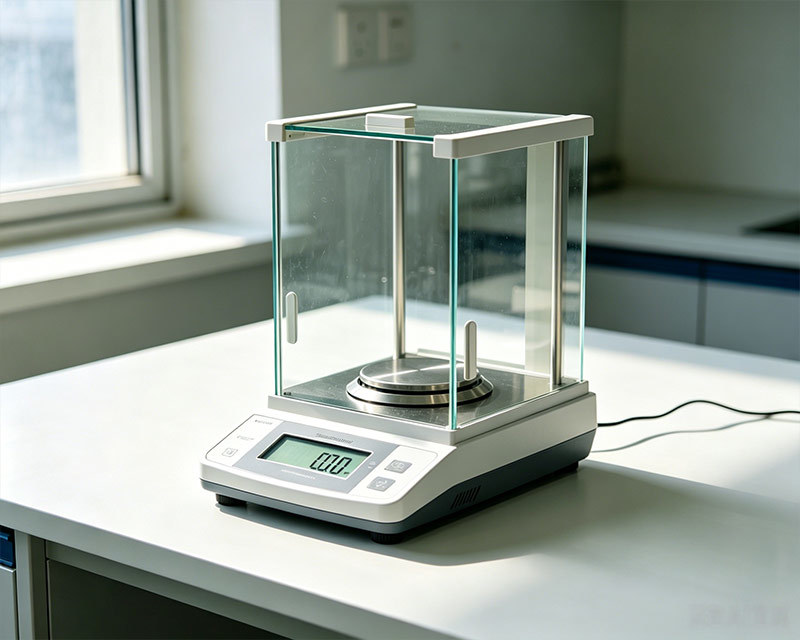
Product Introduction: The LBT-6000L Glass Stress Tester is designed to measure the surface stress of chemically and physically tempered glass. By guiding light along the glass surface, it employs photoelasticity principles to determine both the surface stress and the depth of the stress layer. This non‑destructive testing instrument is easy to operate, reducing measurement time while enabling real-time monitoring of the glass manufacturing process. It provides a reliable analysis of the surface stress in chemically tempered glass, allowing for an accurate assessment of the degree of tempering.
LBT-JB High-Power Magnetic Stirrer
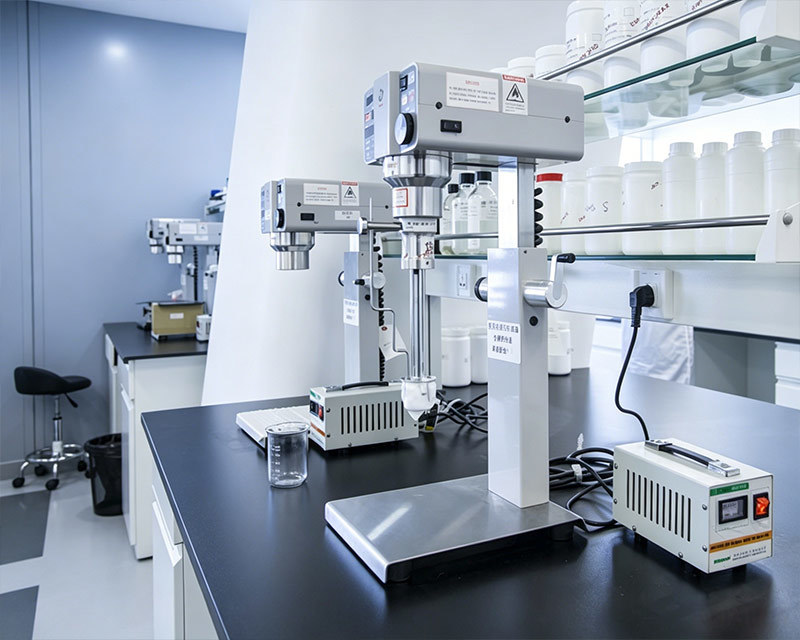
LBT-JB High-Power Magnetic Stirrer Product Introduction: A magnetic stirrer is a laboratory instrument used for mixing liquids, primarily designed to stir low-viscosity liquids or solid–liquid mixtures. Its operating principle relies on the repulsive and attractive forces between like and unlike magnetic poles: a magnetic field drives a magnetized stirring bar placed within the vessel to rotate in a circular motion, thereby achieving effective liquid mixing. This instrument is easy to use and makes an ideal stirring tool for laboratories in industries such as petrochemicals, pharmaceuticals and healthcare, environmental protection, biochemical analysis, and education and research.
Hard‑shell corrugated pipe outer diameter gauge
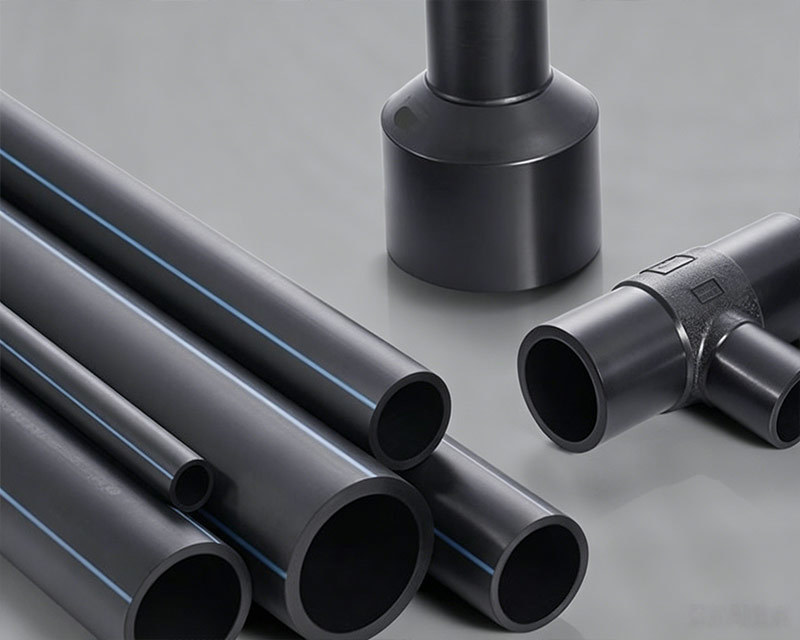
This set of gauges is applicable to circular electrical conduit made of plastic insulating material, used for protecting and securing the wiring of wires or cables within buildings or structures.
Plug and socket gauge (customizable)
For the inspection of dimensions of single-phase plugs and sockets for household and similar applications.
Electrical conduit pressure testing machine
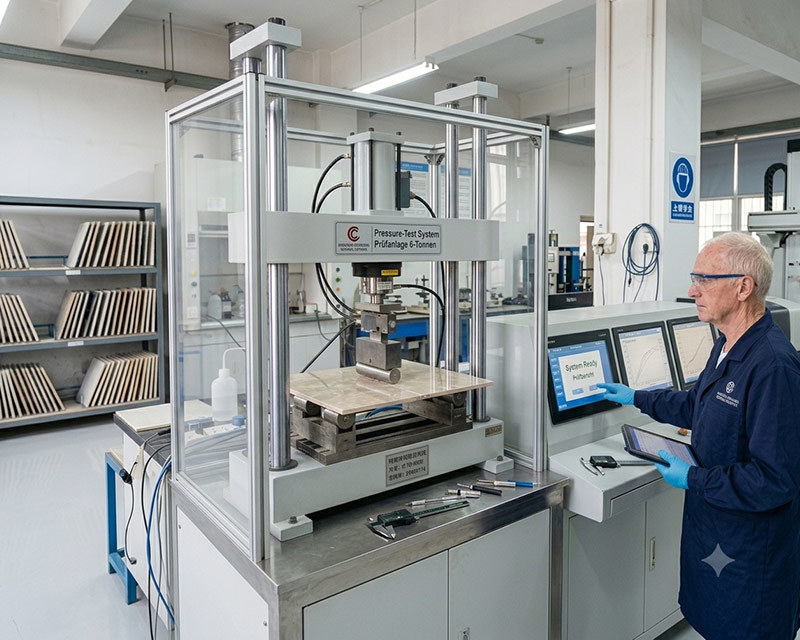
JG3050-7 Electrical Conduit Pressure Testing Machine – Product Description The electrical conduit pressure testing machine is suitable for conducting pressure tests on various types of plastic pipes, plastic corrugated pipes, and similar products. A cubic steel block is placed on the specimen, and a slowly increasing force is applied via a lever and weights. A large‑range dial gauge then measures changes in the outer diameter at the compressed section of the specimen, allowing assessment of its mechanical properties.
Pipe marking device; determination of the longitudinal shrinkage rate of thermoplastic pipes; perform the measurement of the longitudinal shrinkage rate of plastic pipes.
Determination of Longitudinal Shrinkage Rate of Thermoplastic Pipes: Conducting the test to measure the longitudinal shrinkage rate of plastic pipes.
Electrical conduit impact testing machine
The impact testing machine for electrical conduit is suitable for conducting impact tests on various plastic pipes, corrugated plastic pipes, and similar products, enabling the determination of the impact energy required to cause pipe failure and thereby assessing their impact strength.
This testing machine is suitable for bending tests of insulating electrical conduit and similar materials, with a total bending angle of 180°. After the test, inspect the specimen for any cracks.
Product Introduction: The outer diameter of the trapezoidal wire spring is 0.70 to 1.0 mm smaller than the specified inner diameter of the sleeve.
Electrical conduit bending and fixing device
JG3050-13 Electrical Conduit Bending and Fixing Device. It is used to bend electrical conduits with outer diameters of 16 mm, 20 mm, and 25 mm and a length of 500 mm into a 90° angle without auxiliary bending tools, after which the conduit’s flattening performance is evaluated.
Ball Pressure Tester (Ball Pressure Heat Resistance Test Apparatus)
JG3050-14 Ball Pressure Tester (Ball Pressure Heat‑Resistance Test Apparatus) This device is designed and manufactured in accordance with the relevant standard requirements for ball pressure testing, serving as a specialized instrument for evaluating the heat resistance of nonmetallic materials. It is suitable for conducting heat‑resistance tests on electrical equipment, their components and parts, as well as on non‑ceramic solid electrical insulating materials and other nonmetallic substances.
Heat-Resistance Test Apparatus for Semi-Rigid and Corrugated Conduits
Product Introduction: The JG3050-15 Semi-Rigid and Corrugated Conduit Heat-Resistance Test Apparatus is designed for conducting heat-resistance tests on semi-rigid and corrugated conduits, enabling the determination of the required heat-resistance rating and, consequently, the assessment of their heat‑resistance performance.
Electrical Performance Tester for Electrical Conduit Pipes
Product Introduction: The JG3050-16 Electrical Performance Tester for Electrical Conduit is designed to measure the insulation strength and insulation resistance of electrical insulating conduits and fittings. It operates by applying a specified voltage at a prescribed temperature, ensuring that the test specimen remains intact without breakdown.
Electrical Conduit Combustion Tester
Product Introduction: The Electrical Conduit Combustion Tester is designed and manufactured in accordance with standards such as JG 3050.
This instrument is suitable for low-temperature testing of construction materials, electronics, profiles, and plastics, and can also be used in laboratories across research institutes, biomedicine, agriculture, and animal husbandry to cryopreserve biological materials, samples, and specimens at low temperatures.
Constant-temperature and constant-humidity test chamber (temperature and humidity customizable)
Verification Method for Basic Parameters of Environmental Test Equipment: Low-Temperature, High-Temperature, Constant Damp‑Heat, and Cyclic Damp‑Heat Test Equipment
Product Introduction: The XWR-2406 Oxygen Index Tester is suitable for determining the combustion performance of materials such as plastics, rubber, fibers, foam plastics, soft sheets and films, and textiles.
Touchscreen Electric Metal Conduit Bending Testing Machine
The metal pipe bending testing machine is designed for conducting bending tests on metallic conduits and similar materials, with a bending angle of 90°. After the test, the specimen is inspected for any cracks.
Silicone Core Pipe Cold Bending Radius Tester
Silicone‑Core Pipe Cold Bend Radius Tester: Low-Temperature Flexural Performance Testing Equipment — Product Introduction The silicone‑core pipe cold bend radius tester is designed in accordance with the test method for the cold bend radius of silicone‑core pipes specified in JT/T 496‑2004, “High-Density Polyethylene Silicone‑Core Plastic Pipes for Underground Communication Conduits on Highways.” This compact and intuitive instrument is an ideal choice for manufacturing facilities and quality‑control inspection departments. It is used to evaluate the flexural resistance of silicone‑core pipes at low temperatures and is compatible with high‑density polyethylene silicone‑core plastic pipes for underground communication conduits ranging from 32 to 63 mm in diameter.
Metal and Composite Catheter Bending Test Apparatus
The bending test apparatus for metallic and composite conduits is designed for conducting bend tests on materials such as metal conduits, with a bending angle of 90°. After the test, the specimen is inspected for any cracks.
The pipe drop‑test machine is a specialized impact‑resistance testing device designed for insulated electrical conduit, plastic pipes, and related fittings. It simulates the drop‑impact conditions encountered during transportation and installation, enabling assessment of the materials’ drop‑resistance performance and structural integrity.
AS/NZS 3112 Australian Standard Plug and Socket Gauge
It is used to verify the basic parameters and dimensions of plugs and sockets. The AS/NZS 3112 standard specifies the essential safety requirements for Australian plugs and sockets intended for household and similar applications, with rated currents not exceeding 32 A and operating at extra-low or low voltages.
Stainless Steel Solid Fuse Test Fixture
Under normal conditions, repeatedly insert and remove the fuse holder 20 times at a rate not exceeding ten operations per minute. Subsequently, install a standard fuse conforming to BS 1362 and perform the corresponding mechanical strength tests.
British standard plug pin and socket gauge
Test Purpose: This plug and socket test gauge is primarily used to verify that the structure and dimensions of plugs and sockets comply with BS 1363 standards. Applications: The main industries served include electronics, electrical appliances, plugs and sockets, and other similar sectors.
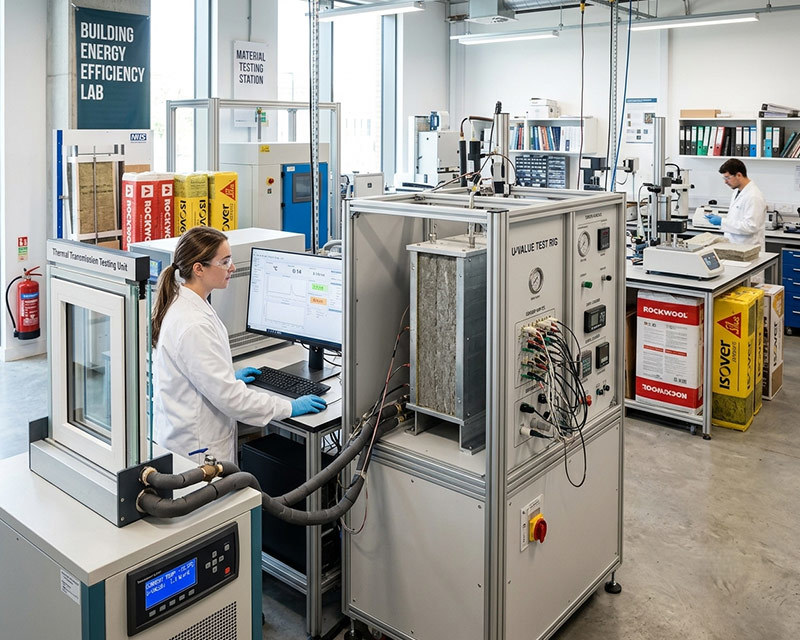
DRCD-3030A Dual-Plate Thermal Conductivity Meter (Cold Plate, Low Temperature: −10°C)
The thermal conductivity (or thermal resistance) is one of the primary thermal performance parameters of insulation materials and serves as the key technical indicator for evaluating their insulating properties.
Plug gauge and “go” gauge for pin diameter
Used for the measurement and verification of plug and socket dimensions in household and similar applications. Test principle: The pin shall be able to pass through the “pass” gauge without the application of excessive force; conversely, it shall not be able to pass through the clearance of the “fail” gauge without such excessive force.
DRCD-3030B Steady-State Thermal Conductivity Tester for Insulation Materials (Hot-Plate Method)
It is used to measure the thermal conductivity of various homogeneous plate‑shaped insulation materials, poorly conductive materials, and vacuum insulation panels. The instrument employs a microcomputer‑based automatic control system, offering advantages such as automated experimental process control, automatic data acquisition, and report generation, with a high degree of智能化 (intelligent automation).
A gauge of the impracticality of a single-pole plug being inserted into a socket.
Purpose of the gauge manufactured in accordance with EN 50075 – Figure 4: Used for measuring and verifying the dimensions of plugs and sockets intended for household and similar applications. It is suitable for checking whether a single pin of the plug can be inserted into the socket, thereby posing an electric shock hazard. Test principle: As shown above, the gauge is placed between the pins and left undisturbed for one minute. Under its own weight, the gauge must not come into contact with the mating surfaces of the plug.
DRCD-6060 Flat Plate Thermal Conductivity Meter (Hot Plate Method)
DRCD-6060 Flat‑Plate Thermal Conductivity Meter (Hot‑Plate Method) – Product Overview: The flat‑plate thermal conductivity meter (hot‑plate method) is a state-of-the-art testing instrument that employs the dual‑plate technique. Its measurement principle is based on establishing a one‑dimensional steady heat‑flow field within an infinitely large plate bounded by two parallel, uniformly heated plates. By measuring the heat power in the central calibration zone, it determines the thermal conductivity of various homogeneous, plate‑shaped insulation materials as well as other novel materials with poor thermal conductivity.
Whether you want to customize product features
I still need some examples to refer to ——
Please let us know what you're looking for, and we'll send you relevant materials to help you move your project forward quickly!
Global Partners
Customer Satisfaction
Committed to becoming a leader in China's testing equipment manufacturing industry
Share To


Contact Us
Mobile:+86-15102211717
Whatsapp:+86-15102211717
E-mail:lbt@lbt.ltd
Address:Tianjin Jinghai Economic Development Zone