



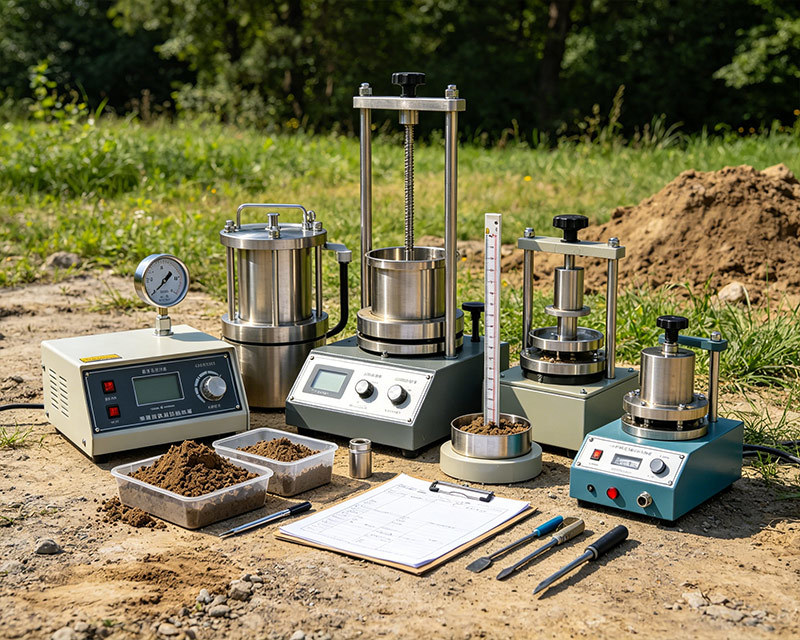


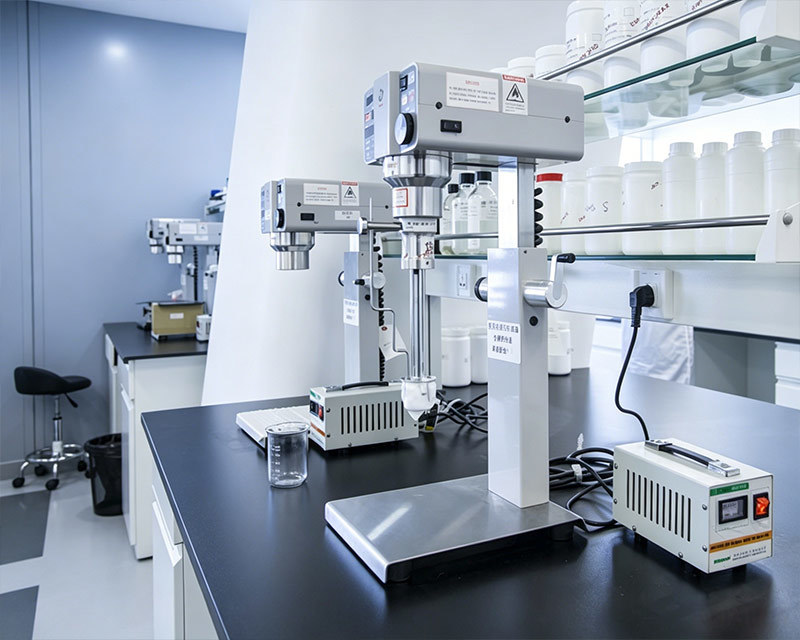
Rubber and Waterproofing Material Testing Equipment

Our company has newly developed a key piece of equipment for dispersing polymer‑cement waterproof coatings in laboratory settings, capable of fully programmable, multi‑stage control with adjustable speeds. Its design is sleek, compact, and refined, featuring a user‑friendly interface that meets the operational needs of laboratory personnel.
LBTZ-26 Fully Automatic Low-Temperature Flexibility Tester for Polymer Cement Waterproof Coatings
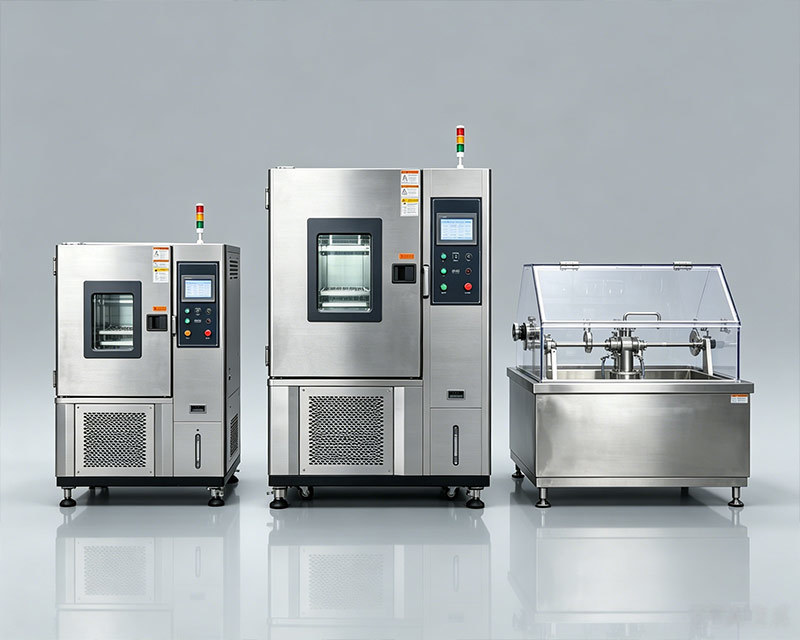
The fully automatic low-temperature flexibility tester is an upgraded, redesigned version of the electric digital-display low-temperature flexibility tester. Its refrigeration chamber is constructed from stainless steel, with a minimum temperature reaching −45°C.
Designed and manufactured in accordance with GB/T 23445-2025. Used to determine the lowest temperature at which an asphalt waterproofing membrane, under specified conditions, can be bent around a prescribed bending rod without cracking.
LBTZ-28 Single-Sided Testing Apparatus for Vulcanized or Thermoplastic Rubber
The single-sided alkali resistance test apparatus for rubber evaluates the effects of a liquid on rubber by measuring changes in its properties before and after immersion in the test liquid; it is intended for tests in which only one surface of the specimen is in contact with the liquid.
LBTZ-1 Electric Color-Screen Low-Temperature Softness Tester (New Standard)
Low-Temperature Flexibility Tester: This instrument is specifically designed for assessing the low-temperature flexibility of waterproofing membranes, in compliance with national standards GB/T 328.14‑2007 and GB/T 23445‑2025. These standards explicitly stipulate that low-temperature flexibility testing must be conducted using automated mechanical methods to eliminate human‑induced variability. The Low-Temperature Flexibility Tester is an essential piece of equipment for testing laboratories, manufacturers of waterproofing membranes, and quality‑control departments.
LBTZ-6A Rubber Shredding Machine (for plastics, leather, wires, and cables)
To meet the new requirements put forth by testing institutions at all levels for the mechanical and physical property testing of polymer insulation and sheathing materials, a waterstop punch‑and‑shaving machine (also known as a slicing machine) has been developed under the guidance of relevant experts at the Suzhou Institute of Waterproofing Materials.
LBTZ-51 Waterproof Membrane Lap Joint Impermeability Tester
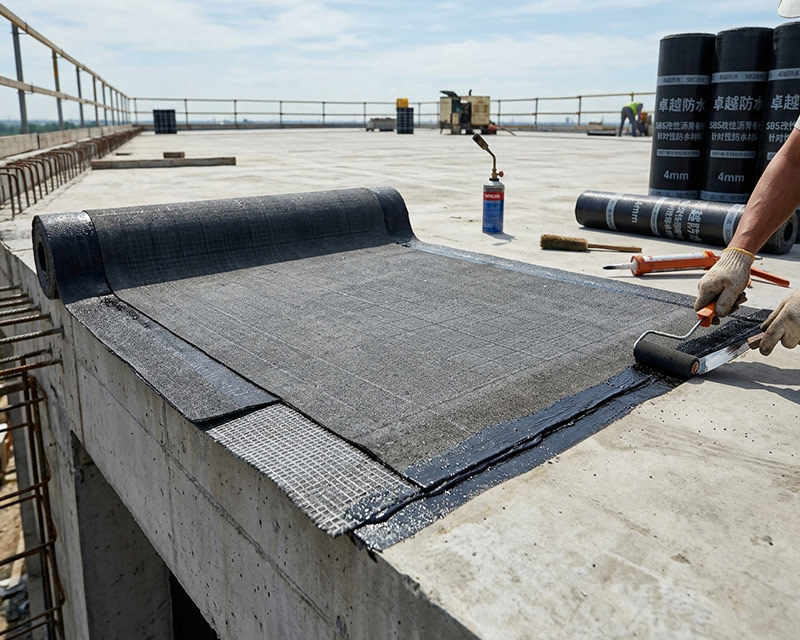
The waterproof membrane lap‑joint impermeability tester complies with the national standards GB 55030‑2022 and GB 45320‑2025, which set mandatory requirements for waterproofing in building and municipal engineering. Additionally, the national standard “Safety and General Technical Specifications for Building Waterproof Membranes” has introduced a new requirement for the “impermeability of lap joints” of waterproof membranes. This requirement applies to all lap‑joining methods, including heat‑fusion, welding, self‑adhesive, adhesive‑bonded, and tape‑sealing processes. Upon formal implementation of these standards, “lap‑joint impermeability” will become a mandatory criterion in the quality acceptance of waterproof membranes.
The constant‑temperature and constant‑humidity chamber for evaluating the water vapor transmission properties of rigid cellular plastic building materials, equipped with various permeation cups, enables conditioning and testing under controlled environmental conditions for hygroscopic and non‑hygroscopic building materials, as well as rigid cellular plastics and their products—including those with natural skins or surface finishes.
ZSY-1 Electric Digital Display Low-Temperature Flexibility Tester
Used to determine the lowest temperature at which an asphalt waterproofing membrane, under specified conditions, can be bent around a prescribed bending rod without cracking.
ZSY-2 Waterproof Membrane Impermeability Tester (Low Pressure)
It is suitable for measuring low-pressure conditions in asphalt and polymer sheet materials, such as roofing, substrates, and vapor barriers, and offers advantages including simple operation and stable performance.
ZSY-3 Waterproof Membrane Impermeability Tester (Method B)
This instrument employs an electric pump for pressurization, with electrical automatic control of gas injection and pressure application, as well as automatic pressure maintenance and digital display timing. When the test pressure does not exceed 0.6 MPa, this device can also be used to determine the air permeability or water permeability of other relevant materials.
Rubber test specimens are ground to a specified thickness for use in other testing equipment. It is one of the devices employed in rubber quality inspection.
Suitable for blanking and stretching test specimens, as well as test pieces of various shapes, it is widely used in construction laboratories, research institutions, and for sampling rubber materials.
It can cut test specimens with a Shore hardness greater than 40 and a thickness of 1–16 mm. The cut surfaces are smooth and flat.
ZSY-7 Type Heat-Resistant Suspension Device
It is used to determine the flow resistance of waterproof membranes and coatings at elevated temperatures, assessing the heat‑resistance limits of the membrane’s top and bottom surfaces under specified temperature conditions or under continuous exposure to varying humidity levels. It serves to verify product heat‑resistance requirements, to establish the heat‑resistance limit of a given product, and to evaluate changes in performance after aging. The apparatus consists of clamps, a marking device, pins, and other components.
This flexometer is designed and manufactured in accordance with the GB/T 328 standard. It is used for low-temperature bending tests of waterproofing membranes and waterproof coatings.
ZSY-9 Electric Hydraulic Sampler
Design Patent: ZL 2024 3 0768956.0 For sampling various waterproof material specimens, with simple and convenient operation.
This instrument is suitable for measuring the thickness of waterproof materials and sheet products.
ZSY-11 Digital Thickness Gauge
This instrument is suitable for measuring the thickness of waterproof materials and sheet‑type products. It is designed and manufactured in accordance with the GB/T 328 series and complies with the relevant standards specified in GB 18173, GB 18242, and GB 18243.
It is suitable for the efficient extraction of compounds from solid materials, employing the principles of solvent reflux and siphoning to repeatedly extract the desired components from a solid mixture, thereby achieving rapid extraction.
ZSY-13 Type Puncture Resistance Tester
It is primarily used for impact resistance testing of flexible or plastic waterproofing membranes such as PVC and SBS.
ZSY-14 UV Mercury Lamp Aging Test Chamber
It is primarily used for ultraviolet‑resistance testing. This test chamber is suitable for aging and UV‑resistance tests on a wide range of waterproof materials and geosynthetic materials.
ZSY-15 Rubber Low-Temperature Brittleness Tester (Multiple Methods)
It is used to determine the highest temperature at which a material specimen fails upon impact under specified conditions, which is defined as the brittle‑transition temperature. This method enables comparative evaluation of the low‑temperature performance of plastics (GB/T 5470, Type B) and other elastomeric materials.
ZSY-16 Rubber Compression Set Tester
Designed and manufactured in accordance with the requirements of GB 7759 and ISO 815. It is used to determine the deformation of vulcanized rubber and thermoplastic rubber under ambient, elevated, and low temperatures, at a specified compression ratio and after a prescribed compression time.
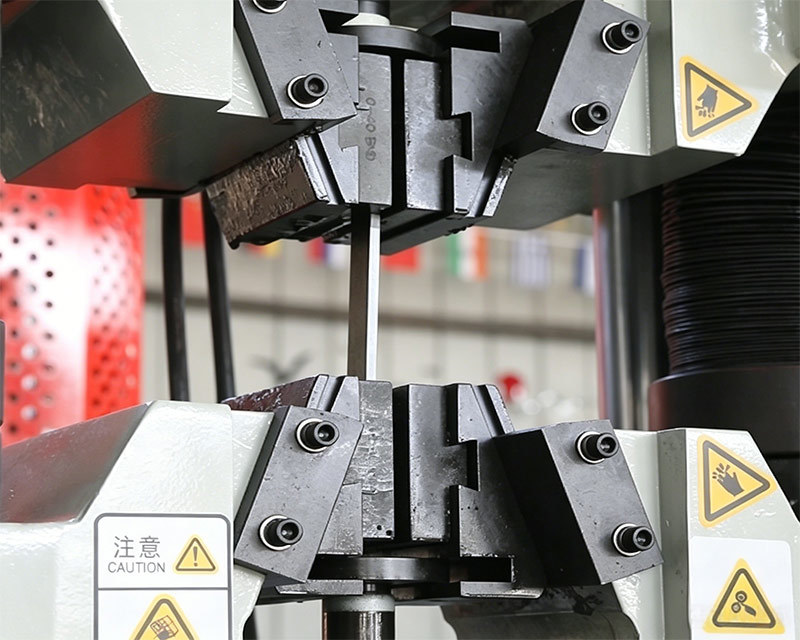
It is designed and manufactured in accordance with GB/T 328.25, “Test Methods for Building Waterproofing Membranes—Part 25: Asphalt and Polymer Waterproofing Membranes—Resistance to Static Load.”
ZSY-18 Type U‑Shaped Tensile Clamp for Nail‑Rod Method
It is primarily used to determine the tear resistance of asphalt roofing membranes applied using the nail‑rod method. This product features a simple structure and convenient operation.
ZSY-19 Type 8-Shaped Mold Fixture
Applicable to the test of tensile strength of waterproof materials and cement mortar after 8‑shaped bonding.
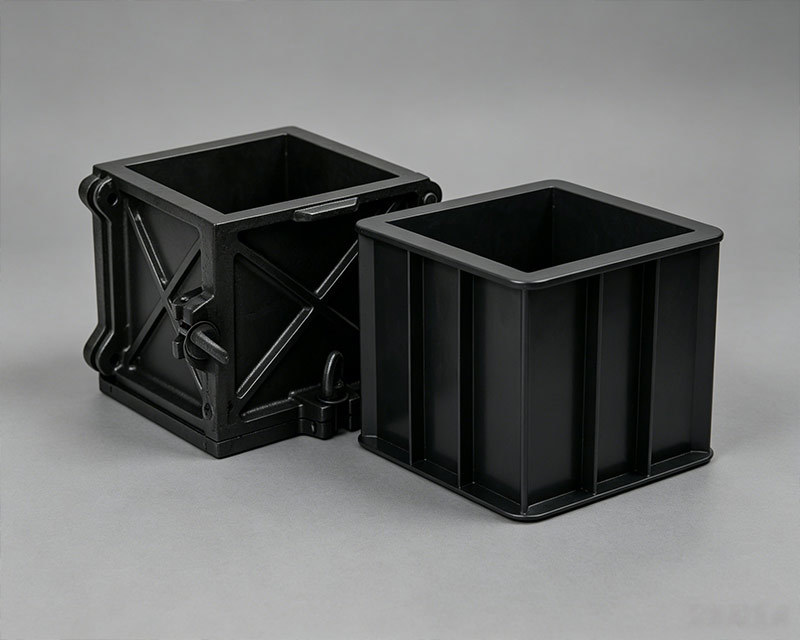
ZSY-20 Coating Film Mould Frame
Designed and manufactured in accordance with GB/T 16777. This coating‑film mold is used for preparing test specimens in a series of tensile‑property tests on architectural waterproofing materials, including polyurethane‑based and polyacrylate‑based products.
ZSY-21 Type Coating Eight-Character Mold
Designed and manufactured in accordance with GB/T 16777. This mold is used for preparing specimens in a series of tensile property tests on architectural waterproofing materials, including polyurethane‑based and polyacrylate‑based products.
ZSY-22 Low-Temperature Chamber
This instrument is suitable for low-temperature testing of waterproofing membranes, geosynthetic materials, profiles, and plastics.
Whether you want to customize product features
I still need some examples to refer to ——
Please let us know what you're looking for, and we'll send you relevant materials to help you move your project forward quickly!
Global Partners
Customer Satisfaction
Committed to becoming a leader in China's testing equipment manufacturing industry
Share To


Contact Us
Mobile:+86-15102211717
Whatsapp:+86-15102211717
E-mail:lbt@lbt.ltd
Address:Tianjin Jinghai Economic Development Zone