





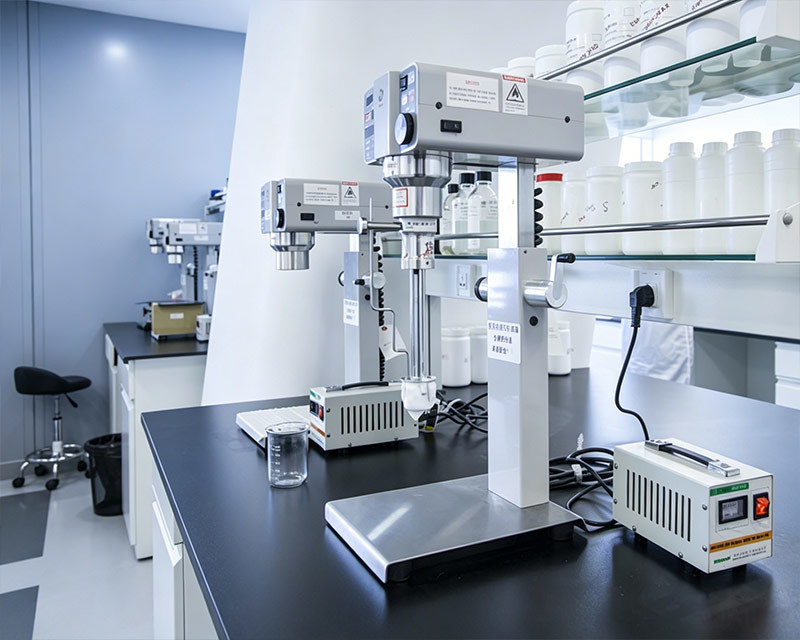

LBT-20C Comprehensive Tester for Pavement Material Strength
Category:
Keywords:
E-mail:
WhatsApp:
Description
Product Introduction:
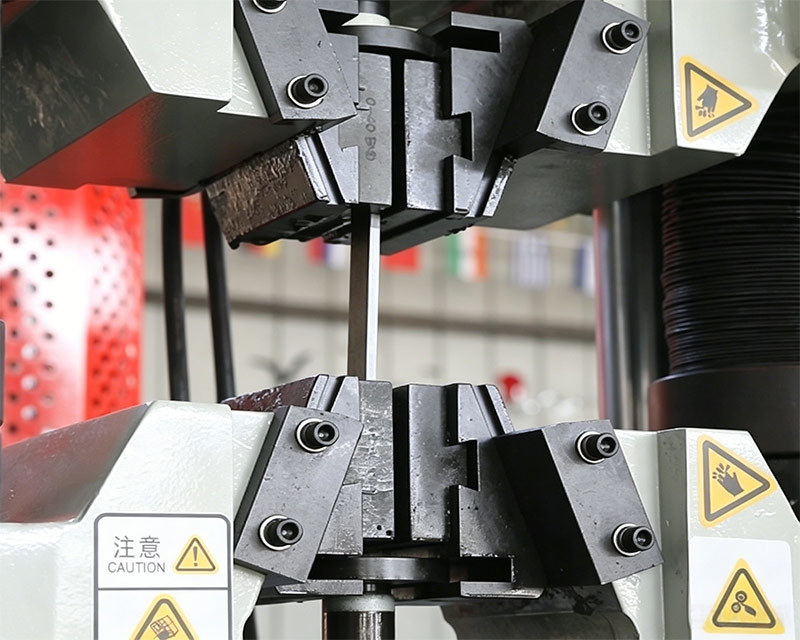
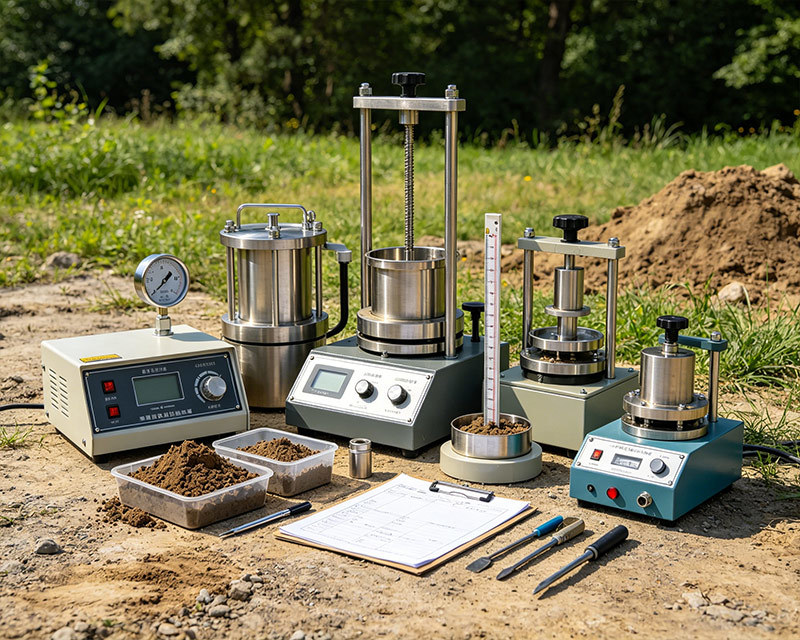
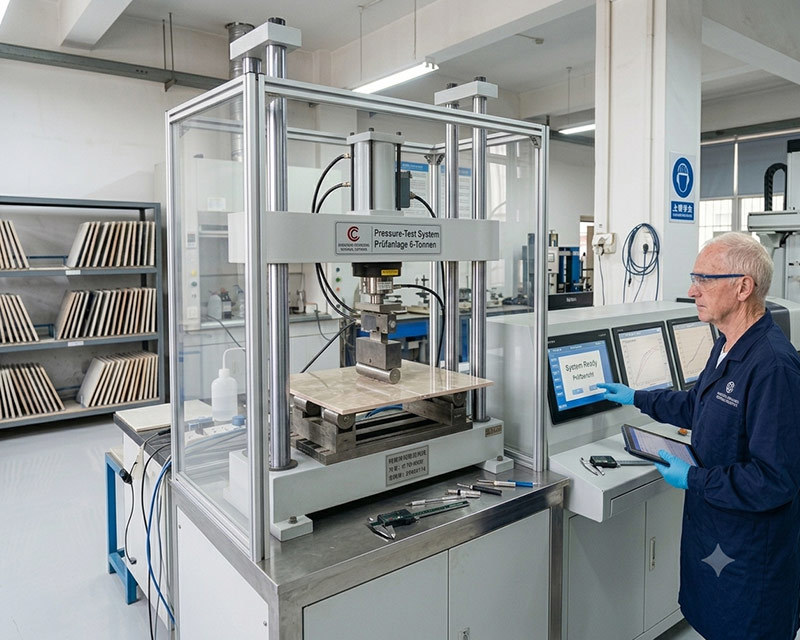
This instrument combines electronic control technology with high‑precision sensor technology, offering simple operation, accurate test data, and stable performance. It is equipped with overload protection and features automatic testing and data recording. The main unit employs a two‑column support structure, ensuring optimal mechanical integrity and measurement accuracy. Its design is both straightforward and elegant. Once fitted with a pressure sensor, the fixture system can be flexibly interchanged to meet diverse testing requirements. It is suitable for determining the strength of various pavement materials, measuring the unconfined compressive strength of stabilized soil specimens, conducting CBR tests, and performing Marshall stability tests. Additionally, it can measure elastic modulus, Poisson’s ratio, and other properties, as well as perform a range of other tests requiring vertical loading. The data acquisition and processing system enables real-time recording and analysis of test results.
Product Features:
(1) High-precision measurement: Utilizing high-accuracy sensors and a control system to ensure the accuracy and reliability of test results.
(2) Versatility: Equipped with a variety of fixtures and test modules, it can meet diverse testing requirements.
(3) High degree of automation: Equipped with automatic loading, automatic data logging, and automatic shutdown functions, it enhances testing efficiency.
(4) Excellent safety: The equipment is equipped with multiple safety protection measures, including overload protection and limit switches, ensuring safety throughout the testing process.
Reference standard:
“Field Test Procedures for Highway Subgrades and Pavements” JTG 3450-2019 (Method for Testing the Strength of Cement Concrete Pavements by Core Sampling T0958-2019);
“Test Procedures for Cement and Cement Concrete in Highway Engineering” JTG E30-2005 (Test Method for Splitting Tensile Strength of Cement Concrete Cylinders T0561-2005);
“Test Procedures for Cement and Cement Concrete in Highway Engineering” JTG E30-2005 (Test Method for Axial Compressive Strength of Cement Concrete Cylinders T0554-2005);
“Field Test Procedures for Highway Subgrades and Pavements” JTG 3450-2019 (Method for Testing the Strength of Cement Concrete Using a Rebound Hammer, T0954-1995);
Technical Specification for Concrete Strength Testing by Core Drilling, CECS 03:2007
Technical Specifications:
| Maximum rated load | 200KN | |
| Maximum lifting distance of the lead screw | 200mm | |
| Electric speed | Quick | 50 mm/min (automatic switching) |
| Slow speed | 1 mm/min (automatic switching) | |
| Manual speed | 0.2 mm/revolution | |
| Pressure measurement range | 0-200.0KN | |
| Operating voltage | Host | 380V ±10% (three-phase four-wire) |
| Controller | 220V±10% | |
| Operating temperature | 10-30℃ | |
| Size | 680*920*1680mm | |
| Package weight | 276kg | |
Related Product
WSC-300 Microcomputer-Controlled Steel Strand Stress Relaxation Testing Machine
The WSC-300 microcomputer-controlled steel strand stress relaxation testing machine employs servo control technology and computer-based data acquisition and processing, enabling closed-loop control and automated testing. It comprises four main components: the testing frame, the servo control system, the measurement and control system, and the test fixtures. With a maximum test force of 300 kN, the machine achieves an accuracy class better than 0.5.
YLZ-100 Microcomputer-Controlled Electro-Hydraulic Servo Curbstone Flexural Testing Machine
The YLZ-100 concrete curbstone flexural‑compressive testing machine is used to determine the flexural strength and flexural load of linear curbstones with a length of 1000 mm, as well as the compressive strength of curved curbstones and L‑shaped curbstones with a straight cross‑section. In accordance with JC/T 899‑2016 Concrete Curbstones, it can also be employed to conduct experimental studies on the flexural and compressive strengths of other materials.
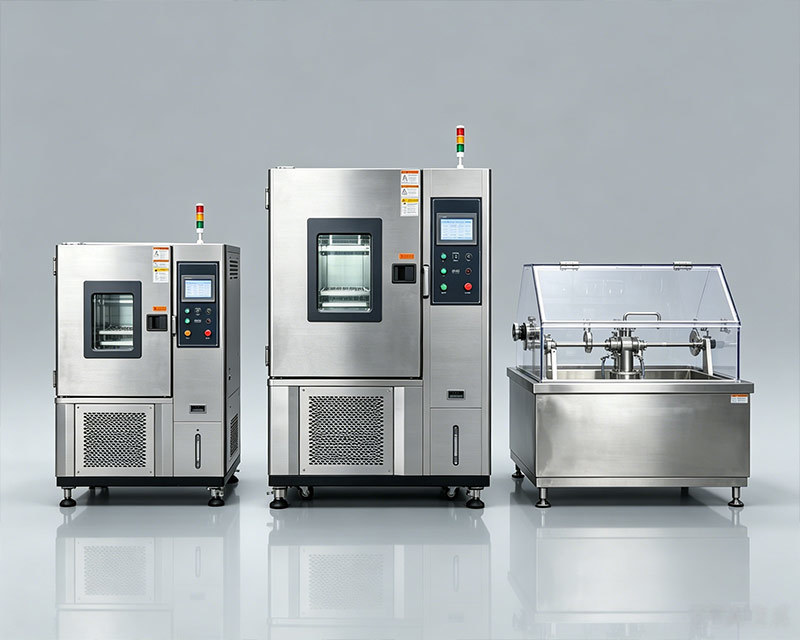
The microcomputer-controlled high‑ and low‑temperature electronic universal testing machine consists of the testing machine mainframe, fixtures, a high‑ and low‑temperature chamber, and computer software. The temperature chamber is slid into the mainframe; after opening the chamber door, the specimen is secured in the dedicated fixture. The chamber then heats or cools until the specified temperature is reached.
WDW—Dual-Column Microcomputer-Controlled Electronic Universal Tensile Testing Machine (20 kN)
This machine can perform tests such as tensile, compressive, flexural, tear, 90° peel, 180° peel, shear, adhesion, pull-out force, and elongation at break on rubber, plastics, foamed materials, synthetic resins, films, alloy materials, and other non-metallic and metallic materials.
FAQs


Customer Reviews
Southeast Asia Rubber & Polymer Factory|Purchase: Vicat Softening Point & Tensile Testing Machine
2026.06.05
★★★★★
Middle East Construction Lab|Purchase: Universal Electronic Testing Machine & Geotextile Test Equipment
2026.06.05
★★★★★
European Plastic Pipe Manufacturer|Purchase: Ring Stiffness & Hydrostatic Burst Tester
2026.06.05
★★★★★
Consult
We will contact you within one working day. Please pay attention to your email.
Keywords:
LBT-20C Comprehensive Tester for Pavement Material Strength
Whether you want to customize product features
I still need some examples to refer to ——
Please let us know what you're looking for, and we'll send you relevant materials to help you move your project forward quickly!
Global Partners
Customer Satisfaction
Committed to becoming a leader in China's testing equipment manufacturing industry
Share To


Contact Us
Mobile:+86-15102211717
Whatsapp:+86-15102211717
E-mail:lbt@lbt.ltd
Address:Tianjin Jinghai Economic Development Zone