














Unlocking the Secrets of Concrete Durability with Advanced Testing Equipment
Release Time:
2026-09-24
Auther:
Source:
Summary
Unlocking the Secrets of Concrete Durability with Advanced Testing Equipment
Concrete is a cornerstone of modern construction, pivotal in building infrastructure, bridges, and buildings that stand the test of time. However, the longevity and resilience of concrete are influenced by several factors, including its composition, environmental conditions, and most importantly, testing methodologies. This article delves deep into the science of concrete durability and the essential role advanced testing equipment plays in ensuring concrete structures withstand the challenges of time.
Understanding Concrete Durability
Concrete durability refers to its ability to resist weathering action, chemical attack, and abrasion while maintaining its structural integrity. A durable concrete mix can withstand various environmental stresses, including moisture, temperature fluctuations, and corrosive substances.
Factors Influencing Concrete Durability
1. **Water-Cement Ratio**
The water-cement ratio is the most crucial factor affecting concrete durability. A lower ratio typically leads to higher strength and reduced permeability, making the concrete more resistant to external factors.
2. **Material Quality**
The quality of raw materials, including aggregate, cement, and additives, plays a significant role in the overall durability. Using high-grade materials enhances the structural integrity and longevity of concrete.
3. **Curing Process**
Proper curing is essential for the hydration process of cement. Inadequate curing can lead to cracking and reduced strength.
4. **Environmental Conditions**
Exposure to harsh climatic conditions, such as freeze-thaw cycles, can severely affect concrete durability. Understanding the environment in which concrete will be placed is vital for selecting the right mix.
The Role of Testing Equipment in Assessing Concrete Durability
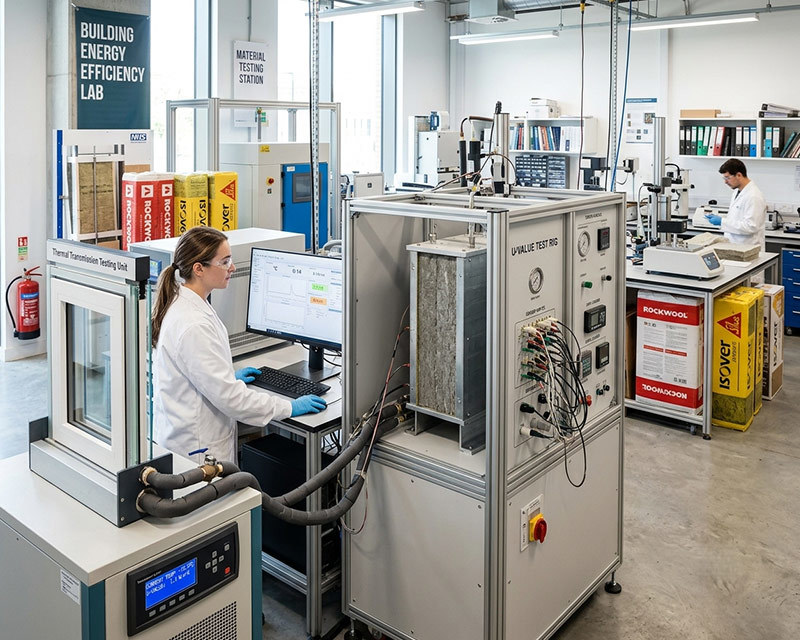
Advanced testing equipment is crucial in evaluating the physical and chemical properties of concrete. This equipment helps identify weaknesses and predict the lifespan of concrete structures.
Types of Testing Equipment for Concrete Durability
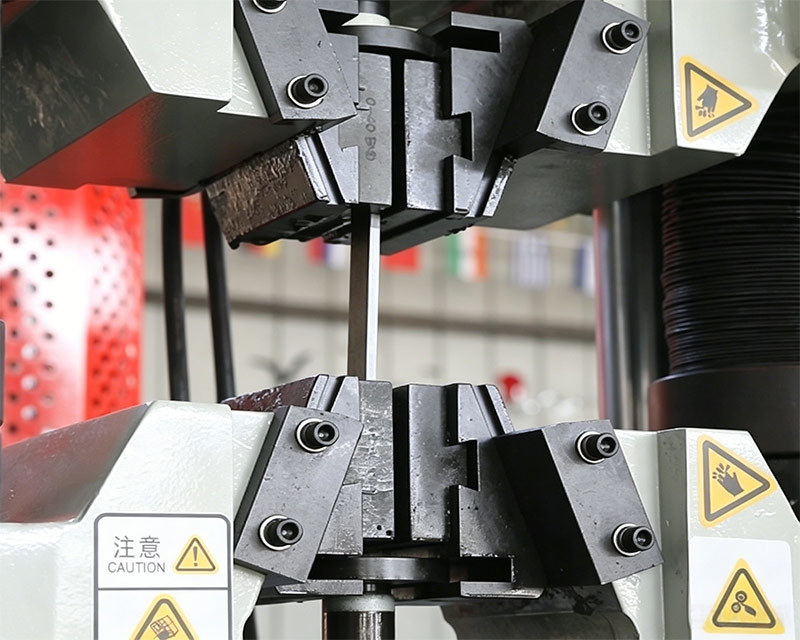
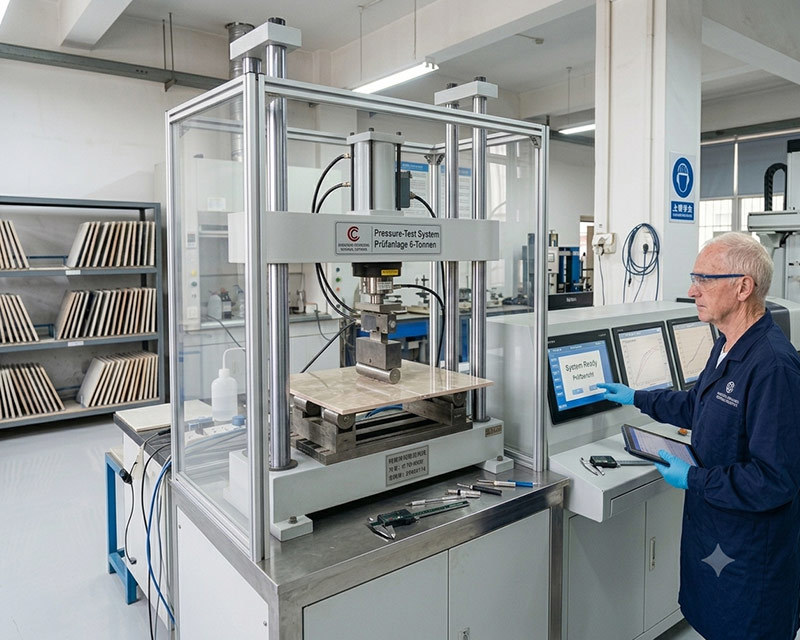
1. **Compression Testing Machines**
These machines measure the compressive strength of concrete. Stronger concrete mixtures will yield higher compressive strength values, indicating better durability.
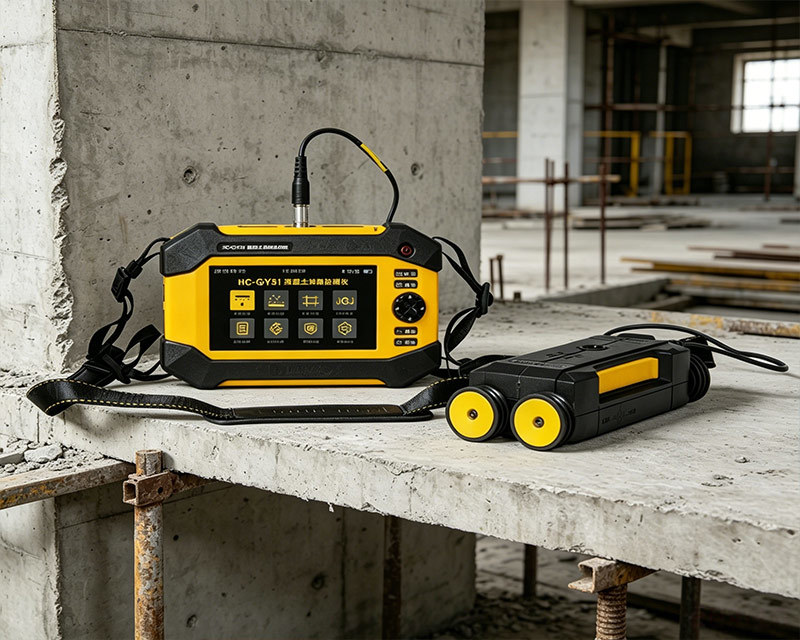
2. **Ultrasonic Pulse Velocity (UPV) Testers**
UPV testers assess the quality of concrete by measuring the velocity of ultrasonic waves traveling through the material. High velocities typically indicate dense, strong concrete with fewer voids.
3. **Rebound Hammer Testers**
This portable tool assesses surface hardness and provides insights into the concrete’s compressive strength. It’s particularly useful for on-site evaluations.
4. **Rapid Chloride Permeability Testers**
This test gauges the permeability of concrete, which is crucial for understanding how susceptible the concrete is to chemical attacks, especially from chlorides.
5. **Carbonation Depth Testers**
These devices measure the depth of carbonation, an essential factor in assessing the potential for steel reinforcement corrosion within the concrete.
Advanced Testing Techniques for Ensuring Concrete Durability
Beyond standard testing equipment, advanced techniques are employed to provide a more comprehensive analysis of concrete durability.
Non-Destructive Testing (NDT)
NDT methods, such as ground-penetrating radar and infrared thermography, allow for the evaluation of concrete without damaging the structure. These methods are invaluable for assessing existing structures and determining maintenance needs.
Microscopic Analysis
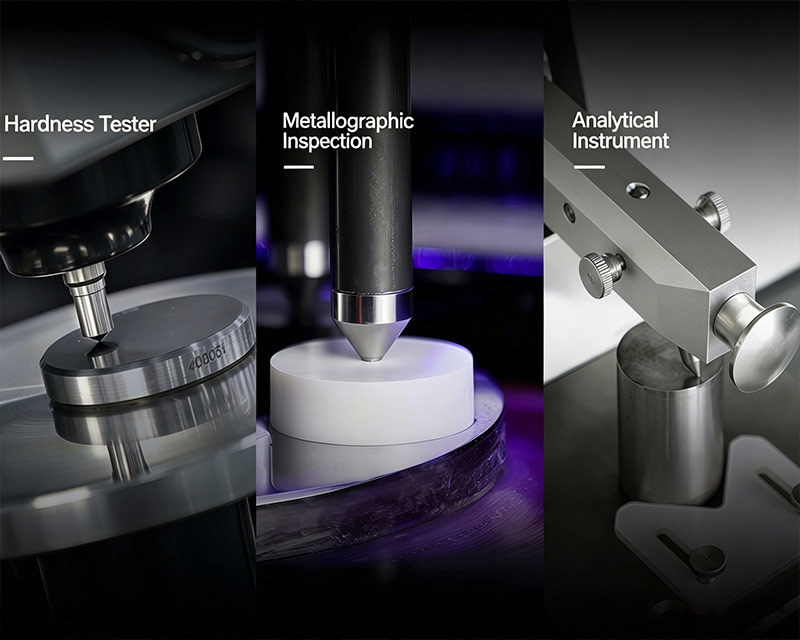
Using electron microscopes, engineers can analyze the microstructure of concrete, including the distribution of particles and the presence of voids. This detailed examination helps in understanding how different materials interact at a microscopic level.
Implementing Advanced Testing Equipment in Construction Projects
Implementing advanced testing equipment in construction projects is essential for ensuring concrete durability from the ground up.
Phase 1: Planning and Material Selection
During the planning phase, engineers must select materials that meet the necessary durability standards. Utilizing advanced testing equipment to analyze materials before use can prevent future issues.
Phase 2: In-Situ Testing
Conducting in-situ tests using portable equipment is crucial in assessing the concrete's performance under real-world conditions. This step helps determine if the concrete mix is suitable for the specific environment and conditions of the project.
Phase 3: Continuous Monitoring
For long-term projects, continuous monitoring with embedded sensors can provide real-time data on concrete performance. This technology helps detect issues early and allows for timely interventions.
Case Studies: Success Stories of Enhanced Concrete Durability
Numerous projects have successfully utilized advanced testing equipment to enhance concrete durability.
Case Study 1: The Golden Gate Bridge Rehabilitation
During the rehabilitation of the Golden Gate Bridge, engineers employed advanced testing techniques to assess the existing concrete structures. Utilizing UPV and rebound hammer testing, they ensured that the new concrete mixes adhered to updated durability standards, extending the lifespan of this iconic structure.
Case Study 2: The Burj Khalifa
For the construction of the Burj Khalifa in Dubai, engineers used sophisticated testing equipment to analyze the concrete mix, ensuring it could withstand extreme weather conditions. The incorporation of NDT methods allowed for ongoing assessments, contributing to the building's safety and longevity.
Future Trends in Concrete Durability Testing
As technology continues to evolve, the future of concrete durability testing looks promising. Innovations such as artificial intelligence and machine learning are beginning to play a role in predictive analyses, improving how we assess and enhance concrete performance.
Predictive Analytics
Integrating predictive analytics into testing can help engineers forecast potential issues before they occur. By analyzing historical data, these systems can recommend optimal materials and mixes tailored for specific environments.
Smart Concrete
The emergence of smart concrete, embedded with sensors to monitor its condition in real-time, represents a significant leap forward. This technology could revolutionize the way we approach concrete durability, allowing for proactive maintenance and increased safety.
FAQs About Concrete Durability and Testing Equipment
What is concrete durability?
Concrete durability refers to the ability of concrete to resist weathering, chemical attacks, and other environmental factors while maintaining its structural integrity over time.
How does the water-cement ratio affect concrete durability?
A lower water-cement ratio generally leads to increased strength and reduced permeability, making concrete more durable against external factors.
What types of testing equipment are used for assessing concrete durability?
Common testing equipment includes compression testing machines, ultrasonic pulse velocity testers, rebound hammer testers, and rapid chloride permeability testers.
What is non-destructive testing (NDT)?
NDT methods assess concrete properties without causing damage. Techniques include ground-penetrating radar and infrared thermography, which help evaluate existing structures.
Why is continuous monitoring important for concrete structures?
Continuous monitoring allows for real-time assessment of concrete performance, enabling early detection of issues and timely interventions to enhance durability.
Conclusion
Unlocking the secrets of concrete durability requires a multifaceted approach, combining advanced testing equipment, meticulous planning, and innovative techniques. By understanding the complexities of concrete's performance and leveraging cutting-edge technology, engineers can ensure that concrete structures not only meet but exceed longevity and safety standards. The commitment to ongoing research and development in this field promises to unlock even greater levels of performance and sustainability in the future.
Recommended
The Critical Importance of Cement Testing Equipment in Ensuring Quality Control in Construction
2026-10-10
Understanding Bitumen Penetration Testing Equipment: Essential Insights for Quality Assurance
2026-10-09
How Asphalt Mixture Testing Equipment Ensures Quality in Road Construction
2026-10-08
Whether you want to customize product features
I still need some examples to refer to ——
Please let us know what you're looking for, and we'll send you relevant materials to help you move your project forward quickly!

Global Partners
Customer Satisfaction
Committed to becoming a leader in China's testing equipment manufacturing industry
Share To


Contact Us
Mobile:+86-15102211717
Whatsapp:+86-15102211717
E-mail:lbt@lbt.ltd
Address:Tianjin Jinghai Economic Development Zone